






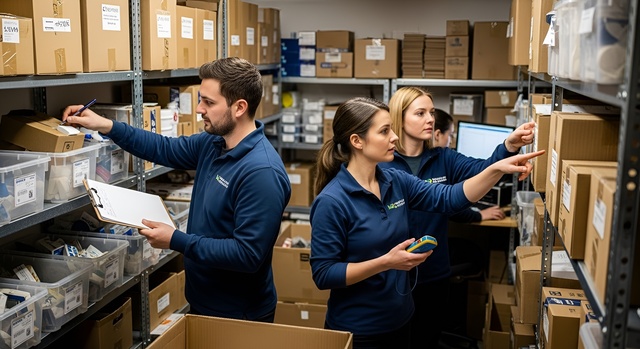
The logistics sector is a vital part of modern business. Every product that reaches a shop, warehouse, customer or commercial site depends on an organised network of people, vehicles, facilities and systems. From transport planning and warehouse operations to inventory control, distribution and customer service, each element needs skilled people who understand the importance of accuracy, timing and reliability. For employers, finding those people can be challenging, particularly in a sector where demand can change quickly.
A specialist logistics recruitment agency can make hiring more efficient, more targeted and more effective. Rather than relying on broad recruitment methods that may attract unsuitable applicants, businesses can work with professionals who understand the specific roles, skills and pressures within logistics. This creates a stronger connection between employers seeking dependable staff and candidates looking for opportunities that genuinely suit their experience and ambitions.
Recruitment is not simply about filling vacancies. It is about building a workforce that can support business continuity, customer satisfaction and future growth. In logistics, where a delayed delivery, missed shift or shortage of skilled workers can have an immediate operational impact, the value of specialist recruitment support becomes even clearer.
Understanding the Logistics Sector
One of the biggest advantages of using a specialist logistics recruitment agency is industry knowledge. Logistics includes a wide variety of roles, each with its own demands and responsibilities. A warehouse operative, transport manager, forklift driver, supply chain co-ordinator, delivery driver, planner and inventory controller all contribute to the movement of goods, but they require different skills, training and working styles.
A specialist recruiter understands these differences. They know that a business may need someone who is comfortable working night shifts in a fast-paced distribution centre, someone with experience managing a team of drivers, or someone who can plan routes and respond quickly to changing delivery requirements. This understanding helps them identify candidates who are not only available but also well suited to the practical reality of the role.
For employers, this saves time. Instead of reviewing large numbers of applications from people with limited relevant experience, they can receive a more focused shortlist. This allows managers to spend more time interviewing promising candidates and less time filtering unsuitable applications. It also gives the business greater confidence that the people presented have been considered against the specific requirements of the vacancy.
A logistics recruitment agency can also understand the importance of timing. Some roles need to be filled quickly, particularly when a site is experiencing increased demand, seasonal pressure, staff absence or a new contract. A specialist recruiter can respond to this urgency with a clearer understanding of which skills are required and how the vacancy affects wider operations.
Reaching Better Candidates
Many of the strongest candidates in logistics are not necessarily searching through general job boards every day. They may already be in work, open to the right opportunity but not actively applying for roles. A specialist logistics recruitment agency can help employers reach this wider pool of talent through established networks, sector knowledge and direct communication with experienced candidates.
This is particularly useful when recruiting for skilled or senior positions. Transport planners, operations managers, warehouse supervisors and supply chain professionals often have valuable experience that is in demand. Finding the right individual can take time if an employer is recruiting alone. A specialist recruitment partner can approach suitable people confidentially, explain the opportunity and assess whether it matches their skills and career goals.
Candidates also benefit from this approach. Instead of applying for roles that may not be suitable, they can speak to someone who understands their industry experience and the type of work they are seeking. This can lead to better-quality matches and more satisfying placements. When candidates feel that a role aligns with their abilities and preferences, they are more likely to remain engaged and committed.
A logistics recruitment agency can also help employers attract people by presenting the opportunity in the right way. Job advertisements need to be clear about responsibilities, hours, location, expected experience and any essential qualifications. In logistics, small details can make a major difference. Shift patterns, access to transport, licensing requirements, warehouse conditions and potential progression opportunities may all influence whether a candidate is interested.
By communicating these details accurately, a specialist recruiter can help ensure that applicants have a realistic understanding of the role before they enter the interview process. This reduces wasted time and supports more successful long-term recruitment.
Supporting Flexible Staffing Needs
Logistics is a sector that often experiences fluctuations in demand. Retail peak periods, seasonal activity, new contracts, supply chain changes and unexpected absences can all create an immediate need for additional workers. Businesses may require temporary staff for a short-term project, permanent employees for a growing operation or flexible workers who can support different shifts as requirements change.
A specialist logistics recruitment agency can help businesses respond to these changing needs. Rather than treating every vacancy in the same way, the recruiter can support different forms of employment, including temporary, contract and permanent placements. This gives employers more flexibility when managing workforce levels and helps ensure that staffing arrangements match operational demands.
Temporary staffing can be especially valuable during busy periods. Warehouses, distribution centres and transport hubs may need extra people to manage increased order volumes or cover annual leave. Having access to suitable temporary staff can help operations continue smoothly without placing excessive pressure on permanent employees. It can also help businesses maintain service standards during periods of change.
Permanent recruitment remains equally important. When a business is investing in long-term growth, it needs people who can become an established part of the team. A specialist recruiter can support this by taking time to understand the company culture, management style and future plans. This creates a stronger chance of finding people who will contribute positively over time rather than simply filling an immediate gap.
Flexible staffing arrangements can also help businesses manage risk. Rather than making rushed hiring decisions when demand changes, employers can work with recruitment specialists who already understand their operations. This creates a more responsive approach to workforce planning and gives managers greater confidence during periods of uncertainty.
Reducing Time and Administrative Pressure
Recruitment can involve a significant amount of administration. Advertising vacancies, responding to enquiries, reviewing CVs, arranging interviews, checking eligibility, confirming experience and communicating with applicants all take time. For busy logistics managers, these tasks can compete with essential operational responsibilities.
Using a logistics recruitment agency can reduce this pressure. The agency can manage the early stages of the recruitment process, including attracting candidates, conducting initial screening and identifying people who meet the required criteria. This means the employer can become involved at the stage where their time adds the most value: meeting and assessing the strongest candidates.
This streamlined process can be particularly useful for businesses with multiple vacancies. If a warehouse is expanding, a transport operation is adding new routes, or a company is opening a new site, managers may need to recruit several people within a short period. Handling every stage internally can be demanding, especially if the business does not have a large HR team. A specialist recruiter can provide additional capacity and help keep the process organised.
The administrative benefit also extends to communication. Candidates appreciate receiving clear updates throughout the recruitment process. When applications are left unanswered or interviews are delayed, strong candidates may lose interest and accept another role. Recruitment professionals can help maintain momentum, provide feedback and keep both sides informed.
A logistics recruitment agency can therefore improve the candidate experience as well as the employer experience. This matters because the way a business recruits can influence its reputation in the job market. A smooth, professional process can help candidates view the employer more positively, even if they are not ultimately selected.
Improving Retention and Long-Term Results
Successful recruitment is not simply about getting someone to accept a job offer. The real value comes from finding people who are likely to remain, develop and contribute to the business over time. High staff turnover can be costly and disruptive, particularly in logistics roles where employees need time to become familiar with systems, processes, safety procedures and team routines.
A specialist logistics recruitment agency can help improve retention by focusing on suitability rather than speed alone. This means looking beyond basic experience and considering factors such as work preferences, career goals, communication style and the type of environment where the candidate is likely to perform well. A person may have the right qualifications, but if the shift pattern, commute or workplace culture does not suit them, the placement may not last.
By taking the time to understand both the employer and the candidate, a specialist recruiter can help create stronger matches. This is beneficial for everyone involved. The employer gains a more stable workforce, the candidate finds a role that supports their career, and the wider team benefits from greater consistency.
Recruitment agencies can also offer insight into the wider employment market. They may be able to advise on candidate expectations, available skills, salary trends and the attractiveness of particular roles. This information can help businesses make better recruitment decisions and position themselves more effectively when competing for talent.
A positive recruitment partnership can become increasingly valuable over time. Once a recruiter understands a business, its workforce and its operational priorities, they can respond faster when new opportunities arise. This creates a reliable source of support that can help the business adapt, grow and maintain high standards.
Building a Stronger Workforce
The logistics sector depends on people who can work reliably, communicate effectively and understand the importance of their role within the wider supply chain. Every successful delivery, accurately picked order and well-managed warehouse shift is the result of individuals doing their jobs properly. Building the right workforce is therefore one of the most important investments a logistics business can make.
A specialist logistics recruitment agency helps employers approach this task with more confidence. Through sector knowledge, access to relevant candidates, flexible staffing support and a more efficient recruitment process, it can make hiring feel less stressful and more strategic.
The benefits are not limited to large businesses. Smaller companies can also gain value from specialist support, particularly when they need to recruit quickly, lack internal recruitment resources or want to compete more effectively for experienced staff. Whether the requirement is for a single key appointment or an entire team, the right recruitment partner can help create a stronger path forward.
Ultimately, working with a logistics recruitment agency is about finding people who can support the business today while contributing to its future. It allows employers to focus on delivering excellent service, managing operations and meeting customer expectations, while experienced recruitment professionals focus on identifying the talent needed to make that happen.