




Construction sites are among the most hazardous working environments, and the consequences of getting health and safety wrong can be severe: injury, prolonged project delays, reputational damage and significant financial penalties. For this reason, many organisations turn to external expertise to provide health and safety support throughout the lifecycle of a build. A consultancy firm offering health and safety support brings independent, specialist knowledge that helps duty holders meet their legal obligations while keeping workers safe and projects moving forward. This article explores the different forms that health and safety support can take, from the earliest planning stages through to completion and beyond.
Pre-Construction Planning and Risk Assessment
Effective health and safety support begins long before the first brick is laid. During the pre-construction phase, a consultancy can help clients and principal contractors understand their duties under the relevant regulations, including the Construction (Design and Management) Regulations. This form of health and safety support typically involves reviewing design proposals to identify hazards that could be eliminated or reduced at the drawing-board stage, long before they become costly or dangerous problems on site.
Risk assessments are a core part of this early-stage health and safety support. Consultants work with designers and contractors to assess ground conditions, structural risks, proximity to existing services, and the sequencing of works. By embedding health and safety support into the planning process, firms can produce robust pre-construction information packs, which are essential documents for informing later phases of work and for demonstrating compliance to regulators.
Health and Safety Documentation and Compliance
A significant proportion of health and safety support relates to the preparation and management of documentation. This includes construction phase plans, health and safety files, method statements and risk assessments (often referred to collectively as RAMS), and site-specific policies. Consultancies providing health and safety support will typically draft or review these documents to ensure they are practical, legally compliant and tailored to the specific project rather than generic templates that fail to reflect real site conditions.
Ongoing compliance monitoring is another important strand of health and safety support. This might involve auditing existing paperwork, checking that permits to work are properly issued and closed out, and ensuring that training records, inductions and toolbox talks are properly logged. Good documentation not only satisfies legal requirements but also provides a clear audit trail should an incident occur or a regulator request evidence of due diligence.
On-Site Inspections and Monitoring
Beyond paperwork, health and safety support often extends to physical presence on site. Regular inspections by a competent, independent consultant can identify hazards that those working on the project every day may have become desensitised to, such as poor housekeeping, blocked emergency routes, inadequate edge protection or improperly stored materials. This type of health and safety support gives clients an objective, external perspective that complements internal site management.
Site inspections carried out as part of health and safety support usually result in a written report highlighting non-conformances, near misses and areas of good practice, along with recommended corrective actions and timescales. Some consultancies also offer more frequent, informal walk-arounds in addition to formal audits, allowing issues to be caught and rectified before they escalate. For high-risk activities such as work at height, excavation or lifting operations, specialist health and safety support may involve a consultant being present during the works themselves to advise in real time.
Training and Competency Development
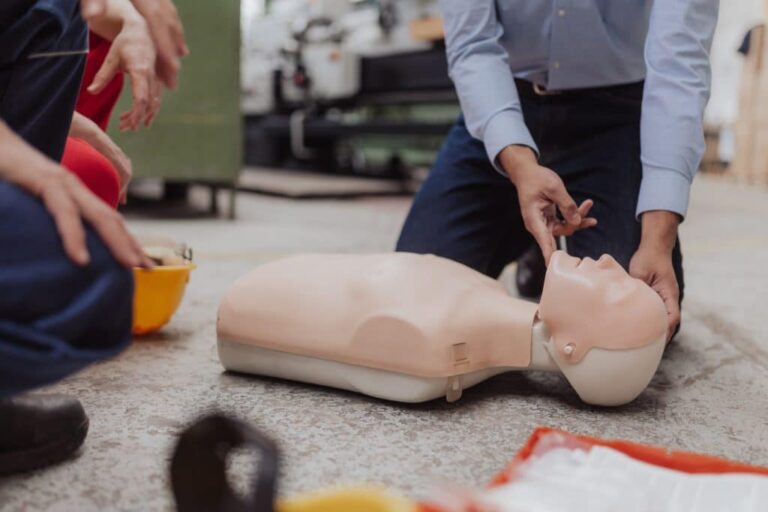
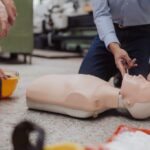
Human error and lack of awareness remain leading causes of construction incidents, so training is a vital component of health and safety support. Consultancies can design and deliver bespoke training sessions covering topics such as manual handling, working at height, asbestos awareness, fire safety and the safe use of plant and equipment. This form of health and safety support ensures that workers, supervisors and managers all understand their responsibilities and the hazards specific to their tasks.
Health and safety support in this area also frequently includes helping organisations establish competency frameworks, ensuring that individuals hold the appropriate qualifications and certifications for the roles they perform. Toolbox talks, refresher courses and management training on topics like leadership and safety culture are all commonly delivered as part of a broader health and safety support package, helping to embed safe behaviours as a normal part of daily working life rather than a box-ticking exercise.
Incident Investigation and Reporting
When accidents or near misses do occur, timely and thorough investigation is essential, both to prevent recurrence and to meet reporting obligations. Health and safety support in this context involves conducting root cause analysis, interviewing witnesses, reviewing site conditions, and producing detailed investigation reports. Consultants providing health and safety support can also advise on whether an incident is reportable under RIDDOR and assist with the notification process itself.
This aspect of health and safety support is particularly valuable because an independent investigator is less likely to be influenced by internal politics or pressure to downplay findings. A properly conducted investigation, supported by a competent consultant, helps organisations learn genuine lessons and demonstrate to regulators, insurers and the wider workforce that safety incidents are taken seriously.
Liaison with Regulators and Enforcement Bodies
Dealing with enforcement authorities can be daunting, particularly following an incident or during a routine inspection. Health and safety support often includes helping clients prepare for and manage interactions with regulators, ensuring that any requested information is accurate, complete and presented appropriately. Consultants can accompany site representatives during inspections, advise on responses to improvement or prohibition notices, and help develop action plans to address any concerns raised.
This type of health and safety support can be particularly reassuring for smaller contractors who may not have in-house expertise to draw upon in these situations. Having an experienced consultant on hand reduces the risk of miscommunication and helps ensure that any regulatory engagement proceeds as smoothly as possible.
Fire Safety and Emergency Planning
Fire risk is a persistent concern on construction sites, particularly during refurbishment works or where flammable materials are stored. Health and safety support frequently covers fire risk assessments, the development of emergency evacuation procedures, and advice on fire detection and suppression measures appropriate to the stage of construction. Emergency planning more broadly, covering scenarios such as structural collapse, gas leaks or serious injury, also falls under this umbrella of health and safety support.
Consultants may also assist with coordinating emergency drills and ensuring that first aid provision on site is adequate for the number of workers and the nature of the risks present. This proactive form of health and safety support helps ensure that, should an emergency arise, everyone on site knows exactly what to do.
Ongoing Strategic Advice and Culture Change
Finally, health and safety support is not limited to reactive or compliance-driven tasks. Many consultancies also provide strategic advice aimed at improving safety culture over the longer term. This might involve benchmarking an organisation’s performance against industry standards, advising on the introduction of behavioural safety programmes, or helping leadership teams understand how safety performance links to wider business outcomes such as productivity and staff retention.
This higher-level health and safety support recognises that lasting improvements in safety outcomes come not just from ticking regulatory boxes, but from genuine organisational commitment. By combining practical, hands-on assistance with strategic guidance, health and safety support can help construction firms build a culture where safety is viewed as integral to good project delivery rather than an obstacle to it.
Conclusion
From the earliest design decisions through to post-completion review, health and safety support plays a critical role in ensuring construction projects are delivered safely, lawfully and efficiently. Whether through documentation, site inspections, training, incident investigation, regulatory liaison, fire safety planning or long-term cultural change, the breadth of health and safety support available reflects just how central safety management is to successful construction delivery. Engaging the right level of health and safety support at the right stages of a project can make the difference between a scheme that runs smoothly and one that is derailed by preventable incidents.
Get in Touch
Art Safe Way Ltd
100 Borough High St, London SE1 1BL, United Kingdom
020 3143 3030