






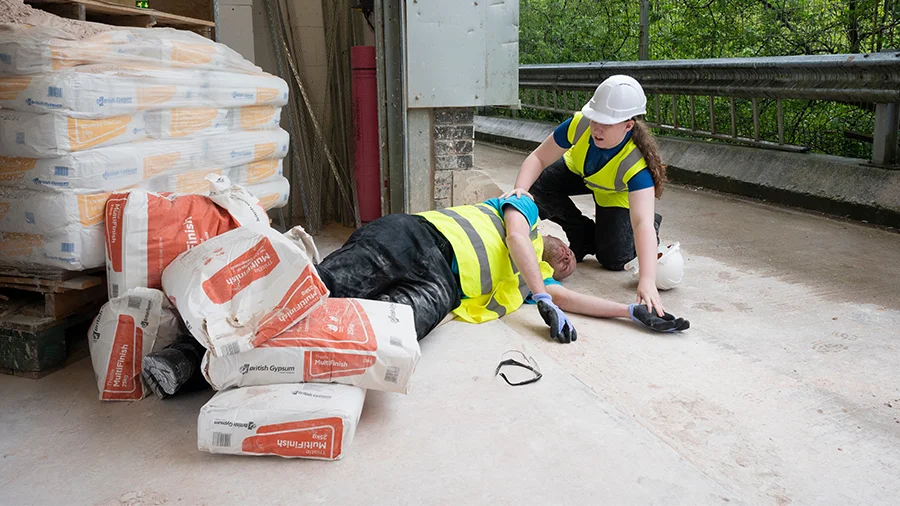
First aid training is an unquestionable requirement for job safety. However, the construction business brings particular obstacles and risks that require a specific approach to first aid. This article discusses why employees should take a construction first aid course rather than a general first aid course. Organisations may actively ensure their employees’ well-being while encouraging a safe culture by addressing the special health and safety concerns inherent in construction sites.
To begin with, the nature of construction work presents unique risks that general first aid courses may not sufficiently address. Construction sites are frequently laden with hazards such as falls from great heights, heavy machinery mishaps, and occurrences involving numerous tools and materials. Cuts, bruising, fractures, and even respiratory difficulties are common injuries caused by hazardous material exposure in construction situations. A construction first aid course is particularly designed to provide learners with the knowledge and skills required to respond effectively to these types of crises. It addresses common medical scenarios in the sector, ensuring that personnel can recognise and respond effectively in the event of an accident.
A construction first aid course addresses not only physical injuries, but also psychological well-being. Mental health is becoming regarded as an important aspect of occupational safety, particularly in high-stress industries such as construction. The strain of deadlines, along with the physical demands of the job, can cause workers to experience increased stress, anxiety, and other mental health difficulties. Specialist courses can provide critical training on how to recognise indications of mental distress among colleagues, allowing workers to provide appropriate assistance or refer them to the right channels. This holistic approach to first aid can build a more compassionate workplace culture, lowering the stigma associated with mental health concerns and encouraging employees to seek treatment when necessary.
Furthermore, the UK construction industry’s health and safety regulations are stringent and complex. The Health and Safety at Work Act assigns major responsibilities to businesses and employees. Attending a construction first aid course not only trains employees to deal with situations more effectively, but it also indicates an organization’s commitment to legal compliance. Employers can establish an atmosphere that prioritises best practices in accordance with industry health standards by giving specific training, ensuring they are both legally compliant and morally responsible in protecting their employees.
Hands-on training is an important part of any first aid education. Generalised courses may provide limited practical scenarios applicable to the building industry. In contrast, a construction first aid course contains targeted, realistic training activities that simulate the specific accidents and injuries that occur on construction sites. This hands-on approach greatly improves skill retention and employee confidence in their capacity to respond in an emergency. Practitioners in the construction industry must be confident enough to respond decisively in the event of a crisis, as delays can compound injuries and even result in fatalities. A specific training prepares trainees for real-life events they may experience by using realistic simulations and role-playing scenarios that resemble actual construction site emergencies, allowing them to respond more effectively.
Communication is another crucial component of good first aid, particularly in circumstances where noise and distractions are prevalent. A construction first aid course recognises this problem and teaches learners critical skills for communicating with wounded coworkers in the middle of possible pandemonium. Many construction site injuries occur in the face of several spectators or competing noises, thus being able to communicate effectively in such situations is critical to providing competent care. Learning how to communicate calmly and concisely can have a big impact on the result of an emergency response.
Furthermore, many construction sites have distinct layouts and types of work that can vary dramatically even within a single project. A construction first aid course tackles the specific risks associated with various types of construction work, such as residential, commercial, or industrial projects, and provides staff with personalised knowledge based on their specific environment. Participants can analyse potential dangers that may not be covered in a normal first aid training, resulting in a better grasp of safety and emergency protocols specific to their situation.
Insurance and liability factors are also important in businesses’ decision to engage in specific training, such as a construction first aid course. In the case of an accident, having personnel educated in construction-specific first aid helps show insurance that the business is committed to safety training. This may assist to reduce premiums or legal liabilities if something goes wrong. Having appropriately trained employees reassures not just the workforce, but also clients and stakeholders, that safety is a top priority, thereby improving the organization’s overall reputation.
The growth of technology in the construction sector has dramatically altered several elements of the workplace. Drones for site surveying, smart helmets with augmented reality, and wearable technology for health monitoring are becoming increasingly popular. A construction first aid course must keep up with technology advances in order to equip employees for any current issues that may occur during an emergency. For example, the usage of drones may entail a different strategy to rescue operations or first aid administration, and knowledge of such technology will be critical for effective emergency response.
A professional construction first aid course may also teach you how to wear personal protective equipment (PPE) properly and the necessity of adhering to construction site safety standards. With such a wide range of PPE available, workers must understand how to use it effectively in a variety of situations. By combining first aid procedures with PPE and other safety practices, the training bridges the gap between emergency response and day-to-day site operations, establishing a holistic safety culture among employees.
Finally, consider the personal development benefits of taking a construction first aid course. Being trained in specialised first aid not only enhances an employee’s credentials, but it also provides them with vital abilities that can have far-reaching consequences. When employees are given knowledge that has the potential to save lives, they frequently feel a greater sense of responsibility and pride in their roles. This sense of personal agency boosts job satisfaction and can reduce turnover, thereby strengthening the workforce.
To summarise, while generic first aid courses give important knowledge and skills, they frequently lack the specialisation needed to deal with the construction industry’s unique issues. Attending a construction first aid course provides workers with the specific expertise required to deal with the wide range of injuries and crises that might arise on-site. The advantages are numerous and far-reaching, ranging from comprehending specific hazards to speaking effectively under duress. More than just a legislative necessity, this training promotes a safety-first culture that benefits all employees’ health and morale, resulting in a safer, more productive workplace. Investing in specialised training not only promotes compliance with health and safety legislation, but also demonstrates a true dedication to the well-being of their employees, making it an essential investment for any construction company.