





Machinery safety is not a one-off checkbox; it is a practical discipline that needs to evolve as a business moves from prototype to mass production, through expansion and change. Light curtains are a common, effective safeguarding method, but the value organisations gain from them depends on when and how they are tested and validated. Approaching testing with an awareness of organisational stage helps operators prioritise investment, optimise uptime and keep compliance documentation in order.
From Start-Up to Scale-Up: Early Practical Steps
When a business is first integrating power-driven machinery, priorities tend to be speed of development, capital control and repeatable cycles. At this stage, selecting a light curtain is often driven by functional fit: the beam spacing, protective height and robustness required for the application. Early testing should confirm that the chosen device matches the expected access profile and that installation does not introduce unintended blind zones or reflections.
Designers and engineers can gain greatest long-term benefit by factoring stop-time performance and mounting geometry into early prototypes. Simple bench checks and manufacturer-supplied performance data are useful during development, but they should be supplemented with practical in-situ checks once a machine layout is fixed. These early checks reduce the likelihood of later redesign and help produce clear technical documentation useful for future conformity assessments.
Established Operations: Routine Testing and Documentation
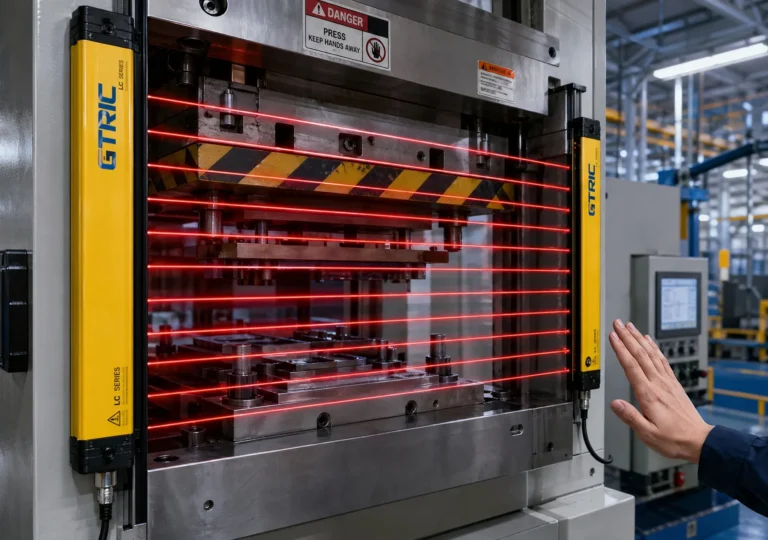
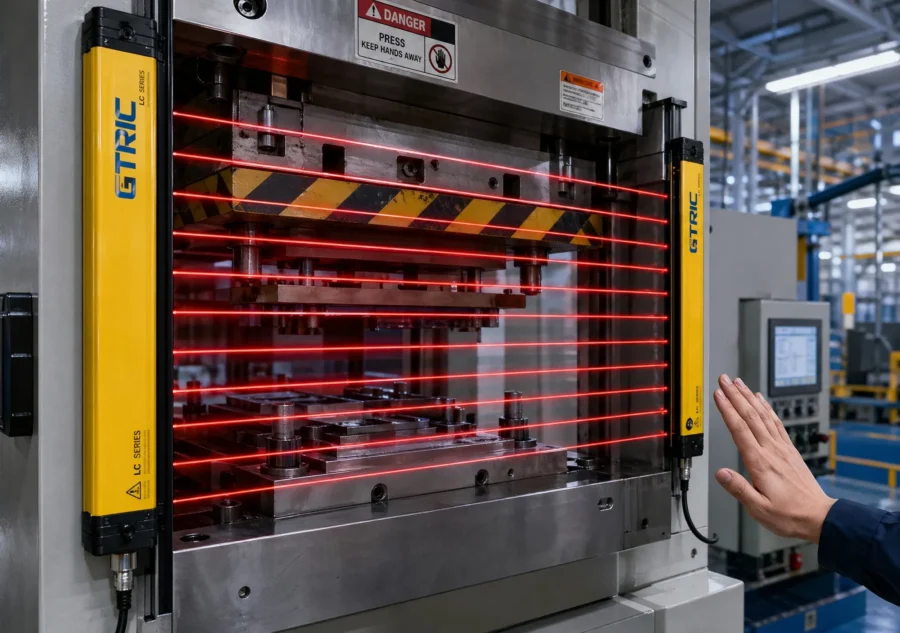
As a facility moves from a small run to regular production the testing emphasis shifts from selection to verification and record-keeping. Regular validation ensures that protective functions perform consistently under real working conditions, and that any routine maintenance or minor modifications have not altered stop times or sensing reliability. When stop-time testing or validation is required, arranging professional light curtain testing provides clear evidence of device performance while supporting traceable records for audits.
Documenting the outcome of these tests — including measurement set-ups, environmental conditions and component serial numbers — pays dividends. It supports PUWER-style assessments, aids insurers when a claim arises and simplifies statutory examinations by making the machine’s safety history transparent to engineers and managers alike. In this stage, testing becomes a component of operational discipline rather than an occasional check.
High-Change Environments: Testing During Redesign and New Technology
Manufacturers that frequently update tooling, change production lines or integrate new controls face a different testing cadence. Each mechanical revision, software update or safety system reconfiguration can alter the functional performance of a safeguarding arrangement. Organisations that treat testing as part of the commissioning process for every change will reduce downtime and avoid surprises when regulators or customers request evidence of compliance.
Practical steps for high-change settings include establishing a checklist for revalidation, defining acceptable tolerances for stop-time and integrating bench and field tests into the project plan. When new sensors or controllers are trialled, comparative testing against the previous configuration helps teams understand any marginal differences in reaction time or field coverage. This approach keeps change manageable and builds a repository of test outcomes that inform future decisions.
Adapting Testing Methods to New Technologies
Advances in sensing, such as multilayered curtains or hybrid systems combining light curtains with area scanners, require adapted testing techniques. Different technologies have distinct failure modes and blind-spot characteristics, so test protocols should reflect the specific technology installed. Developing a relationship with a test provider familiar with multiple sensor types ensures that the chosen protocol is appropriate and that results are interpreted correctly.
Seasonal and Temporary Operations: Rapid Validation for Short-Term Needs
Not every application is permanent. Seasonal peaks, pop-up production lines and temporary machine relocations create brief periods of intense activity where speed and safety must coexist. In these circumstances, the testing focus is pragmatic: confirm that safeguarding is correctly installed and that stop-time meets the demands of the temporary process before full production begins.
Rapid validation procedures are different from routine comprehensive audits. They concentrate on the key performance metrics most likely to change during relocation or reassembly, such as mounting alignment, cable connections and power-supply stability. Clear pass/fail criteria, concise reports and actionable corrective steps make temporary validations effective and minimise disruption to tight schedules.
Training and Internal Capability over Time
As businesses mature, developing in-house competence to manage day-to-day safety checks becomes cost-effective. Training machine technicians to perform basic functional tests and visual inspections frees specialist providers to focus on more complex stop-time measurements and formal validations. Accredited PUWER assessor courses and hands-on workshops give teams the skills to identify when a simple in-house check will suffice and when to call external expertise.
Maintaining a tiered approach to testing — routine in-house checks, periodic third-party validations and full requalification after major changes — balances control with assurance. Internal capability also accelerates response to minor faults, reducing downtime and avoiding unnecessary replacement of components that may only require adjustment or cleaning.
Selecting a Testing Partner as Your Needs Evolve
Businesses at different stages have distinct expectations from external test providers. Start-ups may need advisory support to clarify requirements, established operators often value dependable scheduling and consistent documentation, while firms undergoing frequent changes require partners who can respond quickly and adapt protocols to bespoke configurations. Choosing a partner with broad technical experience and a flexible service model helps ensure continuity as organisational needs shift.
When evaluating partners, practical matters matter: availability for on-site work, clarity of reporting, willingness to explain methods and the ability to work around production schedules. Partners who can supply both testing and remedial services — for example, minor re-alignment or guarding adjustments — offer practical convenience that reduces the number of stakeholders involved when projects must be completed within a narrow window.
Embedding Testing into Long-Term Business Continuity
Viewed strategically, testing is a component of business resilience. Reliable safeguarding supported by documented testing reduces the likelihood of prolonged stoppages, helps protect people and preserves customer confidence. As companies plan for growth or market shifts, scheduling testing to coincide with maintenance shutdowns, audits and process reviews keeps safety activities efficient and less disruptive.
Integrating test records with asset management systems and including test checkpoints in project plans also turns safety from a reactive exercise into a proactive business practice. In this way, testing supports predictable manufacturing output, contributes to quality assurance and becomes a natural part of how the organisation operates rather than an external obligation.
For operators considering how often and in what depth to test, the right cadence depends on the business stage: formative checks during design, scheduled verification in steady-state operations, prompt revalidation after change and quick turn-around tests for temporary arrangements. Adopting a staged approach to light curtain testing aligns safety investment with operational priorities and helps businesses scale responsibly while keeping people and production protected.