






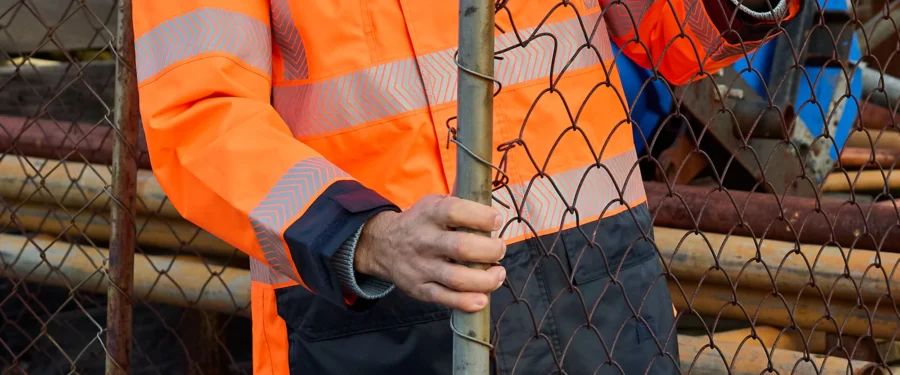
Providing employees with appropriate gear is not enough to keep a team safe and compliant. The right workwear can be vital in safeguarding employees from workplace hazards, reinforcing established safety processes and indicating that an organisation takes its obligations seriously. Whether employees are working in the outdoors, in a warehouse, on a construction site, in manufacturing or in another demanding setting, the correct workwear should be viewed as a vital part of workplace safety.
The right workwear is about more than how something looks or feels. Depending on the working environment, employees may require protection against impact, heat, cold, rain, chemicals, poor sight, sharp objects or other occupational hazards. Therefore, workwear should be chosen based on the specific dangers that employees may face in the course of their daily responsibilities.
The importance of workwear compliance Understanding
Compliance with workwear begins with knowing the hazards of each role. varied profession has varied dangers, so there isn’t one form of workwear that will suit every member of a team.
For example, employees working near moving vehicles may require highly visible workwear so they may be clearly seen by drivers and machinery operators. Workers in damp or cold situations may need waterproof and insulated workwear . Workers who work near certain products or chemicals may need specifically designed protective clothes .
The most important thing is that the workwear gives the right level of protection for the task. Employers should take into consideration the dangers in their workplace and decide what form of workwear is required to avoid those risks. This assessment will take into account the work workers do, the equipment they use, the environment they operate in and the potential effects of exposure to risks in the workplace.
Other forms of personal protective equipment should also be considered as well as workwear. Depending on the function you may require protective footwear, gloves, eye protection, hearing protection, head protection or respiratory protection. Workwear is part of a holistic solution to workplace safety and not a substitute for additional protective equipment.
Choosing the Right Workwear for the Job
Workwear that has been precisely chosen for the situations in which it will be utilised is the most effective type. Clothing should not be chosen by employers on grounds of cost, appearance or general suitability alone.
A good place to start is to think about the hazards highlighted during a workplace evaluation. The necessary workwear must then offer suitable protection against those dangers, without generating further problems for employees.
Fit is quite crucial. Loose workwear may become trapped in machinery or equipment while tight workwear may impede movement making physical jobs more difficult. Employees should be able to carry out their jobs in comfort while wearing the workwear requirements.
Also evaluate the material and structure. Workwear for use outside may require to defend against wind and rain, while workwear for use in hot situations should provide adequate ventilation and appropriate protection. Durability is also important, especially when workwear is often washed, heavily used, rubbed or exposed to tough work conditions.
Another big factor for many organisations is visibility. High visibility workwear can help people be more visible if staff operate around automobiles or machinery or in low light conditions. The level of visibility required should be determined by the hazards present and the conditions in which employees are working.
Ensuring Employees Truly Wear Their Workwear
The procedure doesn’t end with providing appropriate workwear. Employers must also guarantee that employees understand when and how to wear their workwear.
Clear processes in the workplace can help set expectations. Employees should be made aware of the types of workwear appropriate to their role, when it should be worn and what to do if it is damaged or becomes unsuitable.
Training is particularly important because employees are more inclined to follow workwear rules if they know the reasoning behind them. Simply asking someone to wear specific workwear may not be sufficient. By explaining the hazards that the workwear is designed to mitigate, this can lead to better compliance and emphasise the importance of workplace safety.
Supervisors and managers also have a role to play. Workwear standards should be consistently applied to the team. “When employees see rules being ignored or applied inconsistently, they are less likely to take those requirements seriously.”
Where there is a strong culture in the workplace, appropriate workwear is an integral part of the usual process of carrying out a job, not an inconvenience that employees are supposed to put up with.
Workwear Inspection and Maintenance
Even the best grade workwear can not offer reliable protection forever. So regular inspection and maintenance are crucial.
Staff should be urged to inspect their workwear before usage. Damage might be indicated by torn, worn, broken fastenings, damaged reflective parts, holes, pollution or other faults which may impact the protective capabilities of the clothing.
Employers should have adequate procedures for dealing with workwear that is damaged. Employees need to know who to report difficulties to and how new workwear will be given. Delay in replacing damaged clothing, particularly where the workwear provides protection against a severe hazard, might generate additional hazards.
Cleaning is just as essential. To avoid the accidental degradation of the protective properties of workwear, these items should be cleaned according to the manufacturer’s care instructions. Some specific workwear may require specialist cleaning procedures, and incorrect washing or drying may harm fabrics, coatings or reflective aspects.
And consider storage, as well. Workwear must be stored in acceptable circumstances so as to prevent undue soiling, damage or contact with substances which may influence its performance.
Keeping Workwear Requirements Current
Workplaces evolve throughout time, and workwear needs to evolve with them. A corporation might bring in new machinery, change working techniques, alter the structure of a facility or introduce new materials. Any of these changes can introduce new hazards or alter current ones.
Workwear policies should consequently be reviewed often, and not seen as permanent documents. employers should assess whether existing workwear is still appropriate in all cases when there is a substantial change to working methods or equipment.
Employee feedback can be valuable too. Workers are usually ideally placed to discover practical difficulties with workwear, as they use it every day. They can see that some workwear is restrictive, uncomfortable for long shifts, tough to clean or doesn’t perform well in certain settings.
Hearing this input does not indicate that safety standards will be lowered. Instead it can help businesses select workwear that offers the necessary safety but is also functional and comfortable enough to wear on a daily basis.
Taking Seasonal Conditions into Account
Weather and seasonal factors can greatly determine what is appropriate workwear. For those who work outside, the hazards might be extremely different in summer and in winter, so it’s crucial to examine how your workwear works all year round.
Low temperatures can impact concentration, dexterity and physical performance. The right workwear for cold weather may keep employees protected and comfortable, without affecting their ability to do their jobs.
In warmer periods, inappropriate workwear can cause pain and overheating. Employers can also examine if their staff require lighter or more breathable workwear, but still maintain the appropriate protection for their roles.
Rain poses another problem. Wet workwear can be uncomfortable and can hinder an employee’s ability to perform their job properly. If you are likely to get caught in the rain, waterproof or water-resistant workwear may be useful.
Seasonal workwear consequently needs to be planned for in the workplace, rather than being brought in when the weather gets tough.
Championing a Consistent Workwear Policy
Consistency is important when developing specifications for workwear. Employees should be told clearly what is expected of them, and in general the same standards should apply to persons doing equivalent activities.
A written workwear policy can help by clearly stating forth obligations and expectations in an easily accessible way. It can explain when to wear workwear, how to look after it and what to do when your workwear is damaged or no longer fit for purpose.”
The policy should also indicate who is accountable for the provision and replacement of workwear. Employees should not be left to wonder whether they are expected to provide their own protective apparel or where replacement goods might be bought.
Consistent communication can reinforce these expectations. The needs for workwear might be considered at induction, training and safety meetings particularly when new dangers or working processes are introduced.
The Significance of Employee Comfort
Don’t forget about comfort when choosing compliance workwear. Workers may be more likely to adjust workwear incorrectly, remove workwear while completing activities or skip wearing workwear when they think they can get away with it, when workwear is uncomfortable.
Comfort is not the enemy of protection. Instead, companies should search for workwear that has the right protective qualities, the right fit, practical design and appropriate materials.
Providing comments on sizing and comfort to employees can help enhance acceptability of workwear. Where possible, providing adequate size options can also help guarantee that employees can wear their workwear effectively without needless constraint.
Employees may be less likely to see protective apparel as a hindrance to getting their jobs done, therefore increasing compliance, if the workwear fits properly.
Build a Long-Term Strategy for Workwear
This isn’t a one off, it’s a continuing process to ensure standards are consistent with workwear. Employers should be frequently assessing dangers in the workplace, monitoring workwear condition and ensuring employees are aware of standards relevant to their employment.
A long-term view also entails looking at the full life cycle of workwear. Just buying the right clothes is the start. Employers must consider storage, cleaning, inspection, repair and replacement and disposal if required.
Records can enable an organisation to demonstrate that workwear requirements are being appropriately maintained. Depending on the workplace it may be useful to document training, inspections, replacement procedures and appropriate risk assessments.
At the end of the day, good workwear management is ensuring employees are properly protected when they need to be. Employers may build a safer, more compliant working environment by using suitable workwear, proper training, regular inspections, clear regulations and continuing risk assessment.
The correct workwear should never be thought about as just part of the outfit. Properly chosen and maintained, the right workwear is a vital part of safety in the workplace. Taking time to analyse requirements, engage employees, maintain protective apparel and review workwear arrangements on a regular basis can allow teams to stay protected, prepared and compliant as working conditions vary.