






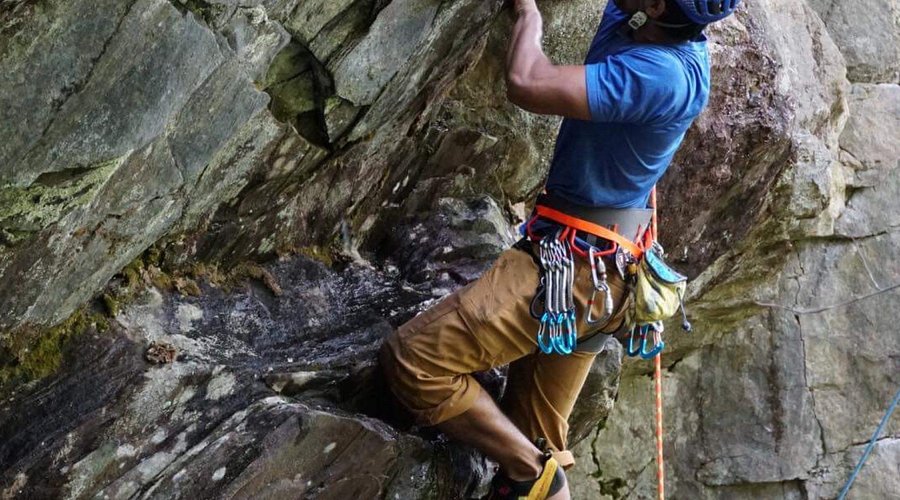
Dartmoor climbing adventures are a fantastic opportunity for anybody who loves the outdoors and is keen to enhance their abilities on actual rock, combining adventure, difficulty and natural beauty. Dartmoor climbing offers a landscape that seems wild but approachable, from huge granite tors to secluded bouldering places, a wonderful experience for novices and expert climbers alike.
The granite itself is one of the primary attractions of climbing in Dartmoor. The distinctive granite tors that soar above the moorland are excellent for a broad range of routes with their dramatic natural pillars, slabs and crags. The roughness and the friction of the granite provides sturdy grips and unique characteristics, allowing climbers to challenge their balance, strength and technique in equal measure. Whether it’s a traditional crack climb or a delicate slab, the rock is always changing and along with being more attuned to its intricacies, there is an ever-satisfying sense of advancement.
The sheer variety of places is another factor for the allure of Dartmoor climbing. Whatever your ability or preference, there are tors and crags to choose from within the National Park, from short gentle routes perfect for getting to grips with the sport, to more exposed lines that will challenge your confidence and expertise. Some are closer to the roadside parking and well-trodden routes, others need a longer walk-in, but reward your efforts with peaceful settings and wide vistas. The variety means every adventure may seem unique, and you can broaden your horizons slowly as your comfort level grows.
The very environment lends an incredible mood to any Dartmoor climbing trip. As you rise, wide open sky, undulating moorland, heather, gorse and scattered granite outcrops provide a spectacular background. On clear days the views from the summits of the tors are miles and miles, with shifting light and cloud offering continual visual appeal. Even in the more variable weather there is a rough beauty about Dartmoor and the accomplishment of reaching each hill is all the more satisfying. The physical strain and the breathtaking environment frequently combine to give climbers a profound sense of wellness and connection with nature.
For those seeking more technicality Dartmoor climbing has both classic rope climbing as well as bouldering. The traditional routes are a real world setting to learn gear placement, rope management and belaying, and acquire the judgement that only time on rock can teach. Bouldering, on the other hand, gives you the chance to practise certain skills and short sequences without having to commit yourself to higher grades. Both strategies lead to improved body awareness, route-reading abilities and confidence, and Dartmoor offers enough variation that you may try both styles in the same region.
Another benefit of Dartmoor climbing trips is that it’s an opportunity to get active in a way that seems relevant and fun. Getting to the crags on uneven ground with your equipment and spending a day climbing or bouldering is a full-body workout that increases strength, endurance and flexibility. The terrain and conditions change so that you are challenged cognitively as well as physically, as opposed to training inside. Many individuals feel that regular Dartmoor climbing days make a real difference to their balance, core strength and general health, as well as getting them out in the fresh air, away from screens and routine.
The social side of Dartmoor climbing is another important attraction. Climbing often has a sense of camaraderie, as partners rely on one another for safety, encouragement and problem resolution. On Dartmoor this sense is amplified by the shared experience of being out on the moor together negotiating the scenery and selecting pathways. Whether climbing with long standing friends, family members or new partners, the collaboration that goes into organising an adventure, laying up ropes and working through movements can establish strong ties and unforgettable memories. Even when you encounter other climbers on the tors, there’s typically a nice, supportive environment.
Dartmoor climbing is a great way for newcomers to be introduced to the sport in a natural setting. There are a broad variety of lower grade routes and bouldering issues so beginner climbers may start out with achievable tasks and work their way up to more challenging routes as their abilities improve. Learning how to move securely on rock, understanding basic safety, and appreciating the surroundings around you all form a solid base for future excursions. Dartmoor is quite accessible so it is feasible to have regular trips that serve to cement what you have learnt rather than see climbing as an unusual one off event.
There’s enough to appreciate and explore for more experienced climbers too. Dartmoor climbing offers traditional lines that need thinking in placement, correct footwork and a steady nerve, as well as difficult boulder problems that reward inventiveness and tenacity. The range of angles and rock formations means you can focus on certain weaknesses, whether that is crack technique, balance on slabs or dynamic movement on steeper portions. You may return beloved crags in different seasons and situations and find new difficulties each time as weather, light and your personal fitness level change.
Dartmoor climbing has a seasonal aspect which adds another dimension. In spring and summer the days are longer giving you more time on the rock and the moorland is frequently alive with colour and animals. Autumn may provide great light and colder weather which are good for friction on the granite but still pleasant climbing temps. Even in winter, when the weather is more changeable, there are often bright crisp days when the air feels fresh and the vistas are perfectly clear. This kind of attunement to seasonality allows a climber to appreciate nature more and to plan carefully around weather and daylight.
Safety and self-reliance are an important aspect of the climbing experience on Dartmoor. When you plan an adventure, you’re thinking not just about grades and routes, but also about navigation, clothes, hydration and emergency readiness. This promotes a considered and responsible attitude to adventure, where you learn skills that may be transferred to other outdoor activities as well. Knowing how fast the weather may change on the moor, how to read a map and how to estimate your own limits results in more confident decision making. These practices become second nature over time , making every subsequent excursion better .
Climbing on Dartmoor also creates a deep sense of respect for the natural environment. The tors and adjacent moorland have provided a home for wildlife, flora and archaeological relics for generations. As you go between climbing places, you become more conscious of the significance of following established pathways where feasible, not leaving litter, and reducing your influence on the rock and ecology around you. Many climbers feel that this respectful attitude is carried into their daily lives, encouraging a deeper dedication to the preservation of green environments and their responsible use.
If you enjoy a range of outdoor pastimes, Dartmoor climbing may be coupled with other activities for a complete and fulfilling day. You may begin the day with a climb, then maybe a walk over the moor, some landscape photography or a lazy lunch with panoramic views. Whether you’re looking for a focused technical climbing session, or a more expansive outdoor experience that combines effort and relaxation, the versatility of the area allows you to tailor each outing to your energy and interests.
The mental aspect of dartmoor climbing is as important as the physical side. Concentrating on each movement, judging holds and arranging sequences, takes a certain concentration that automatically quiets ordinary annoyances and distractions. Many climbers speak of it as a type of movement meditation, where the effort and focus blend to create a sensation of clarity and serenity. Add to this the wide, vast backdrop of Dartmoor and you can get a strong sensation of freedom and perspective that lasts long after the day’s climbing is ended.
Regular Dartmoor climbing trips throughout the years can build a strong personal relationship with the place. You’ll be re-treading favourite tors, charting your progress on certain routes and developing a feeling of familiarity with trails, vistas and rock features. This friendship may become something very pleasant; a sense of belonging and continuance. It begins with a single climbing trip but may turn into a long term love, a big part of your lifestyle and your personality.
Basically Dartmoor climbing is the combination of adventure, skills, fitness and being in a wonderful natural setting. Every trip, whether it is your first time on the granite or you are back to try your hand on routes you have long admired, brings fresh experiences, lessons and rewards. Dartmoor’s unique tors and wide moorland, along with its ever-changing weather, offer a climbing venue that is both timeless and always new, calling you back again and again to explore, improve and enjoy.
So climbing on Dartmoor is a great opportunity to explore one of the UK’s most dramatic landscapes, while challenging yourself in a good and uplifting way. If you embrace the opportunities that it has to offer, you may gain skills, increase your love of nature and make experiences that will last a lifetime in a region that really lends itself to adventure.