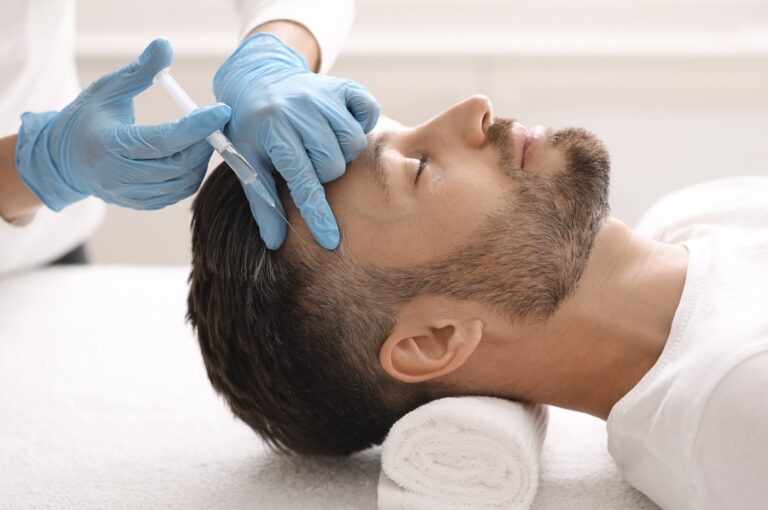







In recent years, an increasing number of males have been utilising hair transplants as a permanent solution to hair loss. A procedure that was previously regarded as niche or even secretive has evolved into a commonplace choice for males of all ages who desire to re-establish their hairlines and regain a sense of self-assurance. Advancements in medical technology, combined with the growing acceptance of cosmetic treatments for males, have rendered the hair transplant more effective, natural-looking, and accessible than ever.
Hair loss is an intensely intimate experience that can have a significant impact on one’s emotional well-being and self-image. The sense of control over one’s appearance is diminished for many males, as hair loss is often linked to age, stress, or genetics. The appeal of a hair transplant is its capacity to rectify these effects, providing a tangible transformation that is both authentic and enduring. A hair transplant is a genuine and permanent solution that repositions an individual’s own hair to bald or thinning areas, in contrast to transient solutions like wigs or topical products.
From the rudimentary and noticeable results of decades ago, the modern hair transplant has come a long way. The process has been refined through the use of techniques such as Follicular Unit Extraction (FUE) and Follicular Unit Transplantation (FUT), resulting in minimally invasive procedures with virtually undetectable outcomes. These hair transplant techniques guarantee that the transplanted hair seamlessly integrates with the existing hairline. The procedure has become more commonplace as more males observe these natural results, as evidenced by word-of-mouth recommendations and social media testimonials. The stigma that was previously associated with cosmetic surgery has dissipated, and it has been supplanted by a sense of empowerment and autonomy.
However, the increasing emphasis on personal grooming and appearance in society is another factor contributing to the increase in the number of males seeking hair transplants. In the era of high-definition photos, video calls, and online profiles, males are more cognisant than ever of the way they present themselves. A hair transplant is particularly appealing to individuals who are seeking to increase their confidence in both their personal and professional lives, as a fuller head of hair is frequently associated with vitality, youth, and success. In competitive industries, where image can influence opportunity, men find that enhancing their hairline provides them with an additional layer of self-assurance.
The increasing demand for hair transplant procedures is also influenced by age. Although it was previously perceived as a treatment that was exclusively reserved for middle-aged men, a growing number of men in their twenties and thirties are now contemplating it as an early intervention. These younger clients perceive a hair transplant as a proactive investment in their appearance, rather than an act of vanity. As males become more cognisant of the progression of hair loss, they are opting to take action sooner rather than later.. The procedure’s prevalence is further bolstered by the fact that early treatment frequently results in more effective and subtle outcomes.
The psychological advantages of a hair transplant are also substantial. Research has demonstrated that hair restoration can result in enhancements in temperament, self-esteem, and social interactions. Many men report that they feel more at ease in professional and social settings following their hair transplant, which can have a beneficial impact on other aspects of their lives. Men often experience a rejuvenated sense of self-assurance that transcends their physical appearance, enabling them to feel more in control of their identity and presence.
The transparency of hair transplant procedures is another factor that is contributing to the trend. In the past, males may have been embarrassed or hesitant to discuss cosmetic enhancements. In the present day, discussions regarding mental health and self-care have become more transparent. The process of hair transplantation has been helped to demystify and reduce the sense of secrecy by the public sharing of the experiences of celebrities, athletes, and influencers. This candour has incited ordinary males to regard the procedure as a mere form of self-improvement, comparable to fitness or skincare.
The prevalence of hair transplants has also been significantly influenced by technological advancements. Modern techniques have enhanced the efficiency, painlessness, and speed of recovery of the process. Previously unfathomable precision is now achievable by surgeons as a result of advancements in imaging technology and robotics. The outcome is that hair transplants can now generate results that are both realistic and enduring, with minimal recovery time. These advancements have now assuaged the concerns of males who may have been previously apprehensive about scarring or an artificial appearance.
The affordability and accessibility of a hair transplant have also been enhanced. Although the procedure remains an investment, it is no longer restricted to celebrities or the affluent. Clinics worldwide provide customised plans and adaptable alternatives that enable treatment to be accessible to a broader demographic. The concept of undergoing a hair transplant becomes less intimidating and more commonplace as more men become aware of the benefits and observe their peers or colleagues achieving exceptional results.
The trend is also influenced by the evolving cultural perceptions of masculinity. In the past, males were frequently advised to avoid excessive attention to their appearance for fear of appearing vain. Self-care and hygiene are now essential components of contemporary masculinity. The decision to undergo a hair transplant is perceived as a demonstration of confidence rather than insecurity, as a resolve to assume responsibility for one’s appearance and well-being. Men are increasingly accepting the notion that the act of restoring hair is both practical and empowering, and that the desire to appear and feel good are inextricably linked.
Additionally, the natural results that are obtained through a hair transplant are so subtle that few individuals can discern whether or not an individual has undergone the procedure. Modern techniques facilitate the treatment of men without the concern of public scrutiny due to their discretion. Others attribute their improved appearance to lifestyle changes or improved hygiene, while many simply resume their daily routines. This subtlety serves to underscore the allure of a hair transplant as a high-reward, low-risk enhancement.
A hair transplant can provide men with hereditary alopecia with a sense of relief and closure. Reassurance and satisfaction are provided by the knowledge that the results are permanent, which are unmatched by temporary interventions. Transplanted hair can be washed, cut, and styled in the same manner as the remainder of the hair once it begins to grow naturally. Men experience a sense of youthfulness as a result of the restored hairline, which also enhances their appearance.
Not to be overlooked is the emotional journey that is linked to hair loss. A receding hairline is often associated with a loss of confidence and even identity for many individuals. Choosing to undergo a hair transplant enables males to regain control over that narrative. The transformation frequently transcends mere aesthetics, serving as a representation of self-acceptance, progress, and renewal. The mental health of males can be significantly influenced by the tangible improvements they observe in the mirror, which can motivate them to engage more positively with life.
Additionally, the process has become more transparent and educational as a result of the increasing awareness of successful hair transplant results through online communities. Forums, blogs, and video testimonials have established platforms for males to share their experiences and provide encouragement to those who are contemplating the procedure. This community-driven aspect assists in the demystification of the procedure and provides prospective patients with realistic expectations regarding the results of a hair transplant. Trust is strengthened and additional men are motivated to pursue this endeavour through the transparent exchange of information.
Ultimately, the decision to undergo a hair transplant is highly personal, but the motivations behind it are often universal: the desire to appear and feel one’s best, self-expression, and confidence. The procedure is expected to become increasingly prevalent among males of all backgrounds as technology continues to advance and social attitudes continue to change. A subject that was once considered discreet or even taboo has evolved into a symbol of contemporary self-care and self-determination.
In conclusion, a hair transplant is becoming increasingly popular among males due to its ability to provide a natural, enduring, and dependable solution to hair loss. It is consistent with a more general trend towards the adoption of aesthetic procedures and demonstrates the increasing significance of self-presentation and confidence in daily life. The procedure enables men to advance with a larger sense of self-assurance and pride by integrating science, artistry, and emotional renewal. The popularity of the hair transplant is not expected to decline, as it has become a defining characteristic of the way in which contemporary males approach personal transformation, thanks to ongoing innovation and open dialogue.