



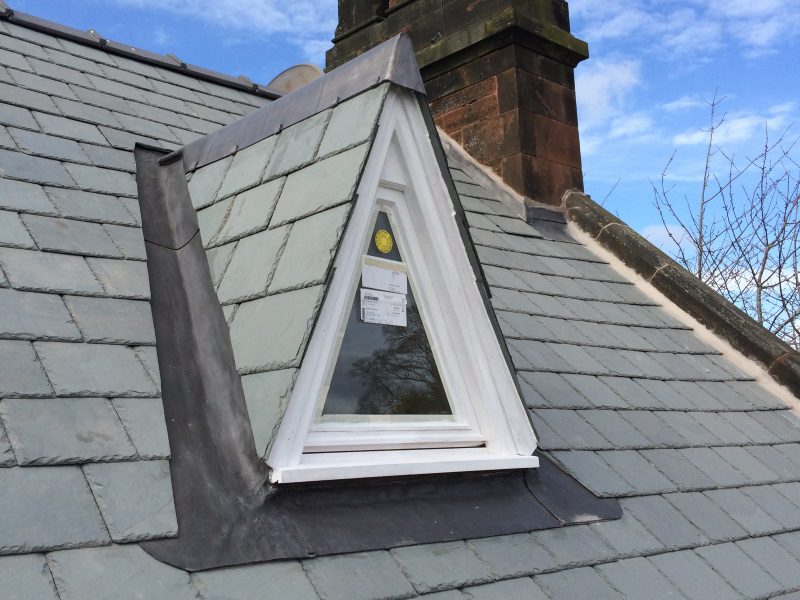
Well-done lead works are essential to a watertight, durable roof. Lead is one of the oldest and most lasting roofing materials, valued for its flexibility, durability, and weatherproofing. The effectiveness of lead in roofing depends nearly completely on installation. Poor lead works can cause leaks, corrosion, and costly damage, compromising the building. Therefore, only qualified roofers should perform such specific services.
What Lead Works Are and Why They Need Expertise
Lead roofing applications include flashings, valleys, gutter linings, soakers, aprons and cladding. Each of these characteristics helps keep rainwater out of vulnerable regions and moisture out of the building. Lead installation seems simple, but it takes knowledge of expansion, contraction, and proper fastening. Without considering these expansions and contractions, lead can shatter or distort over time.
A trained roofer will follow the Lead Sheet Association (LSA) guidelines to size, support, and fix every piece of lead. Unqualified people may not understand the precise tolerances needed for lead works, causing premature failure and water infiltration.
Art and Science of Lead Roofing
Working with lead is both art and science. Lead sheet handling, shape, and dressing are taught to experienced roofers. From cutting and moulding to fitting and sealing joints, every step of lead works requires precision. Incorrect tool use or fixes can cause splits or pinholes that let moisture in.
Heavy lead can cause safety issues and structural strain if handled improperly. A skilled roofer knows how to manipulate lead and incorporate it into the roofing system to work with tiles, slates, and other materials.
In conclusion, lead works are a specialised roofing speciality that requires technical understanding and hands-on expertise only qualified professionals have.
Building Code and Industry Standards Compliance
UK roofers must follow strict building codes and best practises. These requirements ensure the safety and durability of lead works. Qualified roofers know the Building Regulations and British Standards for roofing and lead installation.
BS EN 12588 regulates roofing rolled lead sheet composition and quality. Trained roofers know the lead sheet code to use for each sort of lead works, ensuring the right thickness and grade. Unqualified personnel may not follow these rules, causing cracking, lifting, or creep.
By trusting lead works to qualified specialists, homeowners may protect property value and structural safety.
Hidden Costs of Unqualified Lead Works
Property owners often think doing lead works themselves or employing an untrained tradesperson will save money. In actuality, the opposite is usually true. Poor lead detailing can cause leaks that go undetected until they cause damage. Water penetration damages insulation, rots wood, and creates damp patches that breed mould.
Once these issues develop, the cost of repairing the damage and having the lead works redone by a skilled roofer can be far higher than engaging a competent professional. Defective lead installation can also nullify warranties or insurance claims, costing homes more.
Professional roofers do lead works right the first time and guarantee their work, giving you piece of mind that it was done right.
Proper Tools and Methods Matter
Tools and techniques are another incentive to hire skilled roofers for lead works. Proper lead detailing requires bossing sticks, lead dressing paddles, and setting-in tools. To avoid thinning or cracking, skilled roofers dress lead smoothly and fix it with copper nails or stainless steel clips that enable natural movement.
Untrained people may solder joints instead of expansion joints or tighten lead. These blunders can cause long-term failures. Roofers know when and how to use expansion joints, drip edges, and step flashings to accommodate thermal movement and reduce material stress. Expert lead works have these details more precise than amateur ones.
Longevity and Sustainability through Skill
When built properly, lead works can outlast many other roofing materials by a century. Lead’s corrosion resistance makes it excellent for the UK’s moist environment if placed properly. Poor execution can shorten the lifespan of a long-term investment, making it a recurring issue.
The substance lead is also sustainable. It is 100% recyclable and may be melted and reused forever without losing quality. Lead works must be designed and installed with lifespan in mind in order to fully benefit from their environmental advantages. Qualified roofers minimise waste and maximise material lifespan to provide efficient and sustainable installations.
Lead Work Safety
While resilient and adaptable, lead is dangerous if handled improperly. Lead dust and fumes can be harmful, thus safety precautions are needed. Lead trash handling, cutting, and disposal are taught to qualified roofers. The right personal protective equipment and environmental waste disposal standards help them protect themselves and others from pollution.
Unqualified lead works may ignore these safety precautions, endangering themselves and others. Professional roofers ensure installation and project safety.
How Experience Helps Find and Fix Issues
Every roof has unique obstacles, from unusual shapes and slopes to material intersections. Professional roofers use their years of knowledge to spot flaws before they become pricey. They can examine conditions, find hidden flaws, and offer repair or replacement methods for lead works.
Professionals with experience can also adapt to historic or listed structures for sympathetic restoration and preservation. Working on heritage properties involves attention and understanding of traditional lead works to ensure repairs match the original craftsmanship while meeting modern performance standards.
Assurance of Beauty and Value
Properly conducted lead works improve property look and performance. Skilled roofers can match classic and modern structures with clean lines and fine detailing. Clumsy or uneven lead placement detracts from the roof’s appearance and may signal poor craftsmanship that compromises building protection.
A skilled roofer’s attention to detail provides effective and attractive lead works. Handcraft adds value to the property and shows care in its upkeep.
Aftercare and Maintenance
Even the greatest lead works need periodic maintenance. Qualified roofers can inspect lead flashings and joints, spot wear or deterioration, and make small repairs before they worsen. Their expertise may also help homes reduce condensation and manage ventilation, which can affect lead performance over time.
Without this information, unqualified people may miss minor symptoms of deterioration or use improper repair materials that exacerbate damage. Professional maintenance keeps your lead works working for decades.
Final Reasons Only Qualified Roofers Should Handle Lead Work
Trusting lead works to a trained roofer protects your home, investment, and safety. Working with lead requires technical knowledge, craftsmanship, and compliance with rules that only specialists have.
Leaks, structural damage, wasted money, and safety issues can result from poorly executed lead works. However, a certified roofer satisfies industry requirements, improves roof durability, and retains home aesthetics.
Lead has been trusted as a top roofing material for ages, but its benefits can only be exploited with skill. By hiring an experienced roofer to do your lead works, you can ensure that your roof will remain strong, weatherproof, and beautiful for generations.