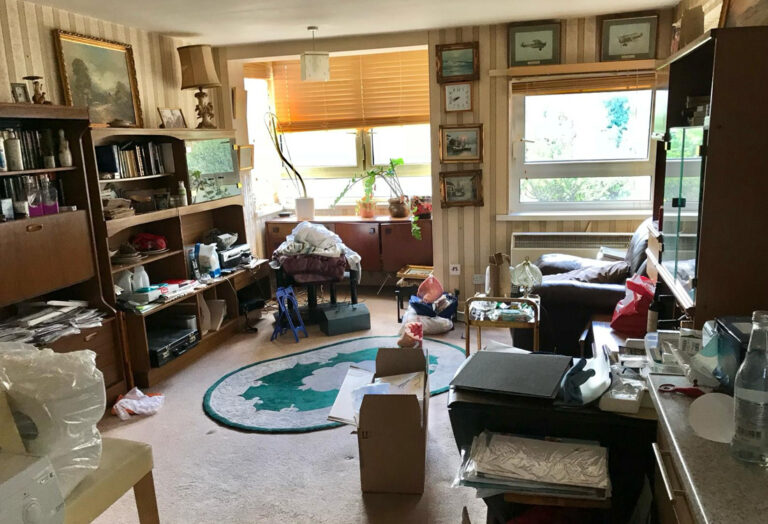





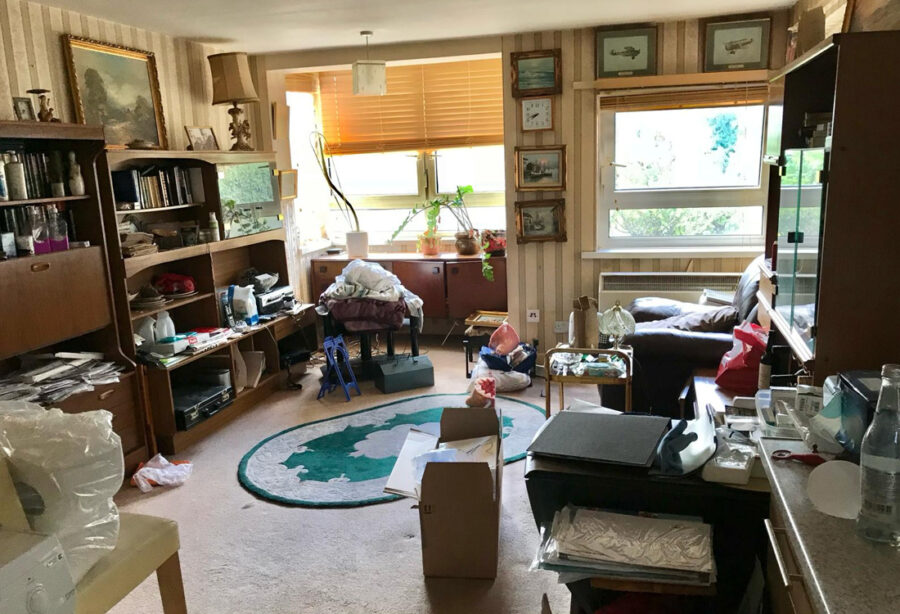
Clearing a house — whether after a long period of accumulated belongings, following a tenancy change or during a renovation — is a moment to rethink how possessions and waste are handled. For homeowners and landlords in Wrexham, a clearance need not be a simple trip to the tip; approached thoughtfully it can free space, recover value and reduce what ends up in landfill.
At the heart of a resourceful clearance is planning: deciding what can be reused, repurposed, recycled or safely disposed of. That plan shapes the practical choices you make — from separating items for donation to booking a removal team for bulky furniture — and helps control time, cost and environmental impact.
For many households the question is where to start. A short, staged process of assessment, categorisation and action avoids last-minute decisions and makes it straightforward to match items with the right route — resale, charity, recycling or specialist disposal. This is especially useful when clearance deadlines are tight or when multiple stakeholders (family members, tenants, agents) are involved.
Practical local options vary, so it helps to explore a mix of solutions rather than relying on a single approach. Some items are best sold or listed locally; others suit charity collection or dedicated recycling facilities. Combining these choices reduces haulage and simplifies the clearance itself.
If you are researching providers or comparing approaches online, a focused search for local services will turn up practical alternatives to skip hire and DIY removal. Keep in mind that licensed, insured operators and civic recycling schemes will each offer different advantages depending on the scale and nature of the clearance.
For people starting with a basic web search, looking up Wrexham house clearance alongside local council recycling information gives a useful snapshot of what options exist — from man-and-van collections to charity pickups — and helps you decide whether to manage the process yourself or enlist help.
Plan Clearances Around Reuse Opportunities
Before you move anything, walk through each room and identify items that have a second life. Working in zones — for example, bedrooms first, then kitchen and communal areas — keeps the task manageable. Mark three piles: keep, donate/sell, recycle/dispose. For bulky furniture, note whether it needs cleaning, minor repair or dismantling to be saleable; small investments in cleaning or a simple repair can substantially increase resale prospects.
Local charities and community groups in and around Wrexham often accept furniture, white goods and household items in reasonable condition. Where charities offer collection, try to arrange drop-offs in batches so that a single journey serves several items, minimising carbon and time costs. Items that attract interest — vintage furniture, working appliances, good-quality beds and sofas — are typically best offered to charities or sold via local marketplaces.
Resale and Marketplaces: Where Effort Pays Off
Listing items online for local collection can recover cash and prevent perfectly usable goods from being discarded. Use clear photographs, honest descriptions and set realistic pick-up arrangements. For larger clearances, consider creating a single listing for multiple items to reduce individual enquiries and speed up collection.
If you prefer not to negotiate sales, there are local collectors and consignors who will buy household items in bulk, though offers may reflect the effort involved in transport and refurbishment. When selling, include the dimensions and condition — buyers are more likely to collect if they can confirm an item fits through doors and down staircases.
Sorting for Recycling: Simple Steps with Big Impact
Many household materials are widely recyclable when separated at source. Cardboard, paper, certain plastics, metal, glass and clean timber can often be directed to council recycling centres or collected by licensed operators. For larger clearances, request a list of accepted materials from potential collection services so you can pre-sort items and avoid wasted journeys.
Electrical items and white goods commonly need special handling. Where possible, test and record working condition before collection; working items are much easier to donate or sell. For non-working items, ask whether a service offers secure disposal or recycling routes that comply with current waste-handling rules.
Handling Bulky Items and Hazardous Materials
Bulky items such as sofas, mattresses and wardrobes often require manual lifting and appropriate transport. Hiring a team to lift and load removes the physical strain and streamlines the clearance. It also reduces the risk of damage to the property during removal. When scheduling, allow a little time for careful manoeuvring in narrow staircases and for dismantling where needed.
Certain materials require specialist treatment and should not be placed with general waste: for example, asbestos-containing materials, large quantities of paint, solvents or certain electronic equipment. Councils and licensed hazardous-waste handlers provide designated routes; if you are unsure, ask a prospective removal service about how such items should be managed and whether they can advise on local collection points.
Why Licensed Services Matter — and How to Choose One
Licensed waste carriers and insured removal firms offer traceability and proper disposal routes, which is important both legally and environmentally. When evaluating providers, check for clear information about licences and insurance, straightforward quotations, and whether lifting and loading are included. The convenience of a service that collects directly from inside a property often pays for itself in saved time and reduced hassle.
Ask about recycling commitments and where items are taken. Some operators work with local re-use centres or recycling partners to minimise landfill, while others may offer separation on collection for offsite processing. If environmental outcomes matter to you, request a brief summary of a provider’s recycling practices before booking.
Practical Timelines and Cost-Control Tips
Clearances are easiest when you set a realistic schedule. For end-of-tenancy work, start early to allow time for sorting and arranging collections. For whole-house clearances, break the job into phases: clear high-priority rooms first, then tackle remaining areas. This phased approach also gives more time to find reuse routes for valuable items.
To manage cost, reduce the volume of waste transported by reselling or donating items where practical. Consolidate smaller collections into a single appointment where possible, and be precise about what will be collected to avoid scope creep. A clear, written estimate from a removal service prevents surprises and helps you budget accurately.
Local Partnerships and Community Options
Making better use of available resources often means combining civic services, charity networks and private collections. Community reuse hubs, repair cafes and local Facebook groups are good places to offer items and to find low-cost rehoming for furniture and appliances. Working with local charities can also simplify collections when they offer scheduled pickups.
For property managers and letting agents handling multiple clearances, developing a shortlist of trusted local partners streamlines the process. A consistent approach — pre-sorting, arranging targeted donations and using licensed carriers for remaining waste — reduces administrative effort and supports better environmental outcomes.
Closing Thought
Turning a clearance into a resourceful operation benefits everyone: it shortens timelines, recovers value, reduces costs and keeps more materials in use. Whether you choose to manage a clearance yourself, combine resale and donations, or book a professional removal team, clear planning and a few practical steps will make the process more efficient and more sustainable for Wrexham households.
Get in Touch:
Atlas Waste
3 Dawson Rd, Heald Green, Cheadle SK8 3AE
07767 209731
atlaswasteco.co.uk