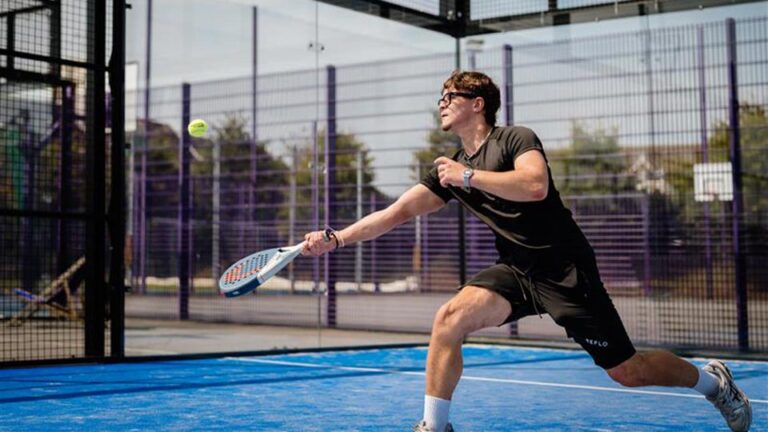






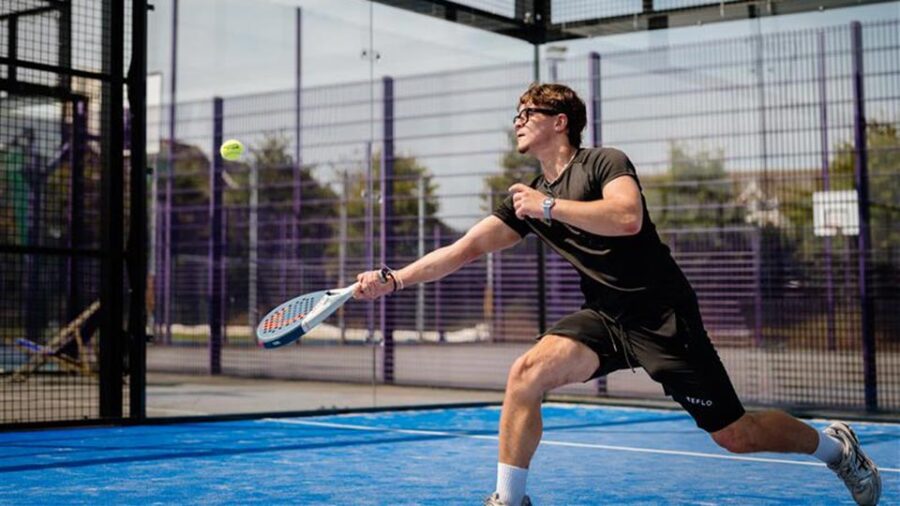
Padel is a sport that rewards thoughtful choices as much as on‑court practice. Whether you are starting with a borrowed racket or you already play regularly, approaching your equipment as a staged project helps you make smart purchases, spread costs and match gear to how your game develops. That staged approach keeps kit useful and relevant at every step — from first sessions to tournament preparation and long‑term maintenance.
For many players the first step is information: understanding what matters for padel and where to look for suitable kit. Searching for padel equipment online will show how suppliers group rackets, balls, bags, shoes and accessories, making it easier to compare shapes, prices and brands as you move through each stage of your equipment plan.
Thinking in stages also reduces common mistakes such as buying an advanced racket before your technique is ready, or investing in specialist footwear without testing its comfort. A staged plan matches purchases to clear, practical goals — increasing confidence, improving control, adding power, or preparing for more frequent play. This article sets out typical stages and gives specific, actionable advice for each one.
Throughout the piece I describe realistic examples of kit choices and uses without implying a single perfect product for every player. The aim is to help readers understand when to prioritise control, when to seek power and how to ensure comfort and convenience as their commitment to the sport grows.
Many UK players find it helpful to think of kit in groups: core performance items (racket, balls, shoes), secondary comfort and protection (bags, clothing, overgrips) and support items (spares, maintenance tools). Each group gains importance at a different stage of a player’s journey, and treating the whole process as a project makes decisions clearer and spending more efficient.
Below I outline six practical stages, explain the typical kit priorities at each stage and offer straightforward tips on choosing and maintaining equipment so it keeps supporting improvement rather than becoming clutter.
Stage 1: First Sessions — Simple, Reliable Essentials
The first stage is about access and enjoyment. Prioritise items that let you learn strokes, court positioning and the basic rules without distraction. For most beginners that means a forgiving round or teardrop‑shaped racket with a medium weight, a supply of standard padel balls and comfortable trainers that provide lateral support.
When choosing a first racket, look for models described as ‘beginner’ or ‘recreational’ and avoid extreme weight or balance profiles: a moderately light, control‑oriented racket helps keep rallies going while you learn technique. A small multipack of standard balls gives reliable bounce for practice sessions and friendly matches.
Comfortable clothing designed for racket sports will keep movement unrestricted; breathable fabrics and simple layers are practical choices. A modest, well‑structured bag protects your kit and makes it easier to arrive organised for lessons and casual play.
Stage 2: Establishing Fundamentals — Consistency and Fit
Once you have a few months of regular play behind you, the focus shifts to consistency. Players at this stage begin to notice how racket shape, grip size and shoe fit affect their strokes and movement. That makes it worth investing in items that suit physical comfort and recurring needs.
Grip size and overgrips are easy, affordable adjustments that have an immediate effect. Selecting a grip that feels secure reduces wrist strain and helps repeatable technique. Similarly, padel‑specific shoes with good lateral stability and a durable sole designed for court surfaces reduce slippage and fatigue during longer sessions.
At this point you might consider moving from entry‑level rackets to intermediate models that offer a clearer balance between control and power. Try a few options where possible, paying attention to how weight distribution changes your swing speed and ball placement rather than relying on brand reputations alone.
Stage 3: Developing Your Style — Shape, Weight and Core Choices
After a sustained period of practice many players develop a preferred playing style — defensive with long rallies, aggressive at the net, or power‑driven from the baseline. Your equipment choices should reflect those tendencies. Racket shape (round, teardrop, diamond), weight and core density influence control, spin and power in different ways.
Round rackets tend to favour control and a larger sweet spot, helping players who prioritise accuracy and consistency. Teardrop shapes offer a balance, while diamond shapes concentrate mass towards the head for greater potential power — useful for those frequently finishing points with smashes. Selecting the appropriate core density also matters: softer cores absorb impact and aid control, firmer cores return energy for more punchy shots.
When evaluating rackets, focus on feel during practice drills rather than marketing claims. A measured trial — testing serves, volleys and smashes — highlights how a racket complements your timing and technique. If you have the opportunity, compare models of the same shape but different weights to judge the trade‑off between manoeuvrability and force.
Stage 4: Expanding the Kit — Bags, Clothing and Useful Accessories
As play becomes more regular, convenience and protection matter. A well‑designed padel bag protects rackets from knocks, carries spare shoes and keeps damp clothing separate from dry items. Look for practical compartments, robust zips and a layout that suits how you travel to courts — compact for singles outings or larger for sessions with multiple rackets and accessories.
Technical clothing improves comfort and temperature regulation: moisture‑wicking shirts, skirts or shorts with stretch panels, and lightweight outer layers for courtside warmth. Accessories such as spare overgrips, dampeners, tape for minor repairs and a can or two of good quality balls make match day smoother and avoid last‑minute interruptions.
Consider a lightweight maintenance kit too: a soft brush to remove grit from the racket surface, a small towel and a protective cover keep equipment performing and reduce wear from daily use.
Stage 5: Preparing for Competition — Fine Tuning and Spares
When you start entering regular competitive play or club tournaments, small differences in equipment and preparation become meaningful. Having a primary racket that you trust is essential, but so is carrying a near‑identical spare for changeable conditions or unforeseen damage.
Match preparation also extends to balls and footwear. Bring cans of balls that match the competition standard and test shoes for grip on the specific court surface you’ll be playing on. A brief pre‑match routine — checking strings, grips and shoe condition — prevents avoidable problems and gives confidence.
At this stage, players often experiment with minor customisations: overgrip thickness for slightly altered handle feel, or small weight adjustments such as lead tape to fine‑tune balance. Make incremental changes and monitor how they influence consistency over several sessions before settling on a permanent setup.
Stage 6: Maintenance and Planned Upgrades
Long‑term value comes from taking care of kit and planning upgrades that align with real improvements in your game. Regularly replace overgrips and worn soles, keep rackets in covers when not in use and store balls in a cool, dry place to preserve pressure. These practices prolong functionality and reduce the need for premature replacement.
Plan upgrades around milestones: when you commit to weekly competitive play, when your coach recommends a different racket profile, or when you notice persistent wear that affects performance. Buying with these triggers in mind spreads cost and ensures each new purchase meets a clear need rather than impulse.
For many players the last stage is also a modest rotation strategy: use older but well‑maintained rackets for practice, reserve top‑spec models for matches, and keep a functional, comfortable pair of shoes for training sessions. This approach stretches value and gives flexibility when travel, weather or scheduling require adaptation.
Putting the Stages Together: a Practical Example
Imagine a player who starts with a forgiving round racket and standard balls, then after three months moves to intermediate shoes and a slightly firmer teardrop racket as their volleying improves. Six months later, having increased match play, they invest in a tournament bag, an identical spare racket and a technical clothing set for comfort. Each purchase has a clear purpose tied to progress, and none feels wasteful because it follows a staged plan.
That same player benefits from routine maintenance — changing overgrips monthly, brushing racket faces after outdoor sessions and replacing balls before league matches. These small tasks preserve performance and make each stage of the project feel coherent rather than a series of isolated purchases.
Practical Tips When Shopping
Try before you buy where possible, compare similar models across brands for feel rather than design alone, and read product descriptions for concrete details such as weight, balance and core material. Pay attention to return policies and delivery terms so you can test equipment and make exchanges if a particular item does not suit your game after a few sessions.
Specialist retailers and dedicated equipment sections make comparison straightforward; prioritise quality in items that affect safety and core performance, such as shoes and primary rackets, and economise on expendables like spare grips that you will replace frequently.
Final Thought: Treat Your Kit as a Living Project
Viewing padel equipment as a staged project helps you make deliberate, beneficial choices at each point in your development. It reduces waste, keeps spending aligned with your needs and ensures that kit supports — rather than complicates — your progress on court. By defining stages, planning purchases, and maintaining gear, players of all abilities can steadily improve their experience and enjoy the practical benefits of well‑matched equipment.