





Dental restoration is one of the most frequent and consequential services provided by dental clinics. Patients expect reliable fit, comfortable margins, natural aesthetics, and dependable outcomes. At the same time, clinicians must balance chair time, workflow pressures, laboratory coordination, and the administrative burden of managing restoration cases. Many clinics are exploring how centralised digital workflows can reduce friction while improving consistency. A well-run approach that routes restorative work through a dental CAD hub can help clinics streamline processes, strengthen quality control, and support a more predictable patient experience.
One of the clearest benefits of using a dental CAD hub is operational efficiency. Restoration workflows often involve multiple steps, including impression capture, case preparation, transmission to a fabrication pathway, design correction, and final manufacturing. When these steps are coordinated through a single digital hub, many of the delays that usually occur between stages can be reduced. For dental clinics, this can mean fewer repeated administrative actions, fewer case rejections due to incomplete information, and less time spent chasing updates. The outcome is a smoother internal process where clinicians can spend more of their time with patients rather than managing the logistics of restoration work. In turn, this can contribute to better capacity planning and more consistent day-to-day scheduling.
Consistency is another major advantage. Restorations can vary when processes depend on individual case handling, varying communication between clinic and fabrication teams, or differences in how design parameters are interpreted. A dental CAD hub can standardise the digital workflow by applying consistent design and data-handling protocols. This helps ensure that the same preparation principles and design logic are used for similar restoration types across cases. For clinics, improved standardisation can translate into fewer remakes and adjustments, and a more confident approach to restoration planning. Even when each patient’s anatomy is unique, digital consistency can support repeatable outcomes, which is particularly important for large practices that handle high restoration volumes.
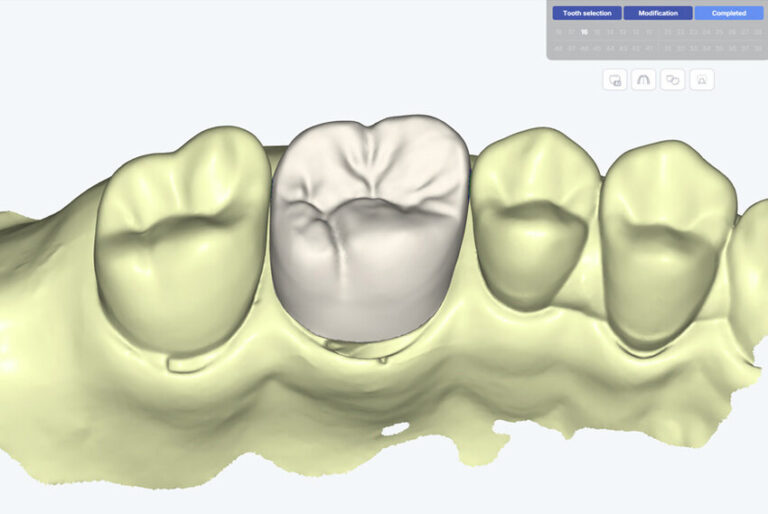
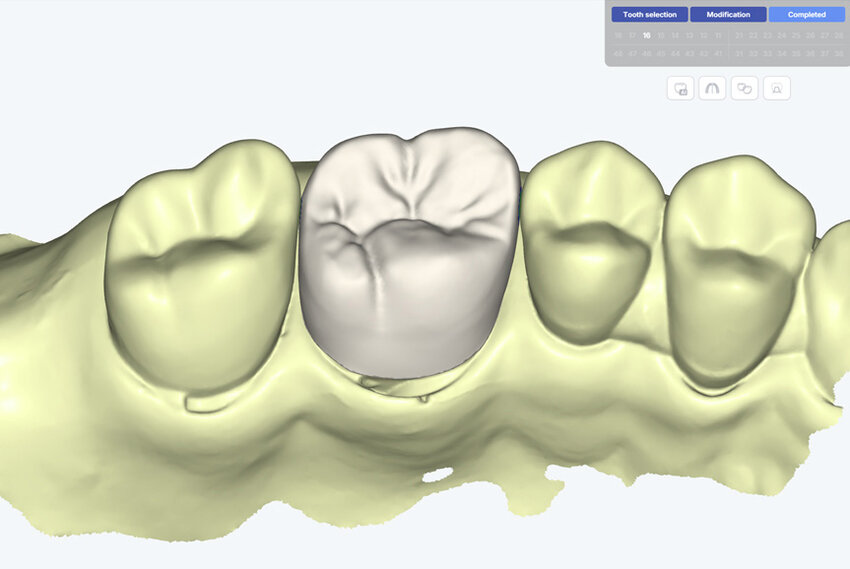
Quality assurance is also easier to strengthen when work moves through a dental CAD hub. Centralised digital environments can support systematic checks of case data and design outputs before fabrication. This may include verifying scan completeness, assessing margin visibility, reviewing occlusal relationships within the digital setup, and confirming that the restoration design aligns with the clinician’s intent. When these checks are built into a routine hub workflow, clinics can experience fewer downstream surprises. The practical impact for a dental clinic is significant: fewer last-minute issues mean less chairside time spent on repair efforts, fewer patient delays, and a more professional patient journey from impression to delivery.
Chairside experience and patient communication frequently benefit as well. Patients can be sensitive to the experience of waiting for restorations, especially when they worry about fit, aesthetics, or discomfort. If a dental CAD hub reduces turnaround variability and supports clearer case management, clinics can communicate more realistically about timelines. That credibility helps build trust. Additionally, when digital workflows are stable, clinics may be able to integrate restoration planning more seamlessly into appointments, leading to a calmer and more structured experience for patients. Even when the patient does not directly interact with the digital design process, they feel the result through smoother appointments, more dependable outcomes, and reduced need for follow-ups.
A dental CAD hub can also support stronger integration between clinical documentation and design execution. In restorative dentistry, the quality of the final outcome depends on accurate case capture and clear preparation details. Traditional handoffs can sometimes involve ambiguity, such as incomplete information in notes, unclear margin boundaries, or missing guidance about occlusal goals. Through a hub-based approach, the digital file and relevant case context can be managed in a more structured manner. Clinics can be more confident that what they intend is reflected in the design pathway. This alignment can help reduce the number of design conversations needed and speed up case progression.
Another important benefit is the potential reduction in remakes and remodelling. Remakes are costly, both financially and in terms of patient trust. They can stem from issues such as an inadequate impression capture, unclear margin definition, or design-to-clinical mismatch. While no digital system can eliminate all errors, improved data handling and consistent design protocols within a dental CAD hub workflow can lower the probability of preventable issues. Over time, clinics can observe improved predictability and fewer repeated steps. This improves profitability and reduces the workload burden placed on clinicians and administrative staff.
Financial predictability can also improve. Clinics often weigh the costs of materials and processing, but the broader costs of time and disruption can be equally significant. When restoration cases are handled reliably through a dental CAD hub, clinics may experience less staff time spent on corrections, fewer emergency chair appointments for temporary solutions, and fewer operational disruptions. Even if the material costs remain similar, the overall cost of delivering restorations can decline when the workflow is stable. In addition, better turnaround and fewer repeat cases can help clinics maintain predictable clinic utilisation. This kind of operational stability is valuable in a busy NHS and private mix environment, where demand can fluctuate and resources must be used efficiently.
Scaling up restoration capacity is another practical advantage. Dental clinics that grow may find that restoration workflows become a bottleneck. As patient numbers increase, the ability to manage impressions, case tracking, and coordination can stretch teams. By using a dental CAD hub, a clinic can more effectively manage higher volumes without proportionally increasing internal workload. Standardised workflows can allow staff to handle more cases with less complexity. For growing clinics, this can mean expanding service offerings, increasing restoration throughput, and improving patient access to restorative options.
The benefits extend to team training and workflow standardisation within the clinic. When clinicians and staff understand that case capture requirements feed into a digital hub workflow, the clinic can develop clearer internal preparation guidance. Over time, this may improve scanning or impression capture quality, reduce data gaps, and increase compliance with preparation recommendations. A dental CAD hub approach can therefore promote better habits in case submission. Clinics often report that when the end-to-end pathway becomes clearer, training becomes more targeted, and staff feel more confident about what “good case data” looks like.
Furthermore, a digital workflow supported by a dental CAD hub can strengthen the patient experience through improved aesthetics and potentially better marginal adaptation. While the precise clinical outcome will always depend on case selection, preparation quality, and appropriate material choice, digital design and controlled fabrication processes can support accurate restoration geometry. Natural-looking contours and consistent contacts may be easier to achieve when design logic is standardised and fabrication follows predictable parameters. Patients are also more likely to notice positive differences when restorations feel comfortable, fit well, and deliver reliable bite function.
However, to obtain these benefits, clinics should approach hub-based workflows thoughtfully. The best results come when the clinic’s capture protocols, submission standards, and internal communication practices are aligned with the hub’s digital requirements. Clinicians should ensure that restorative intent is communicated clearly and that case data is complete and accurate. Administrative staff can play a key role in maintaining case tracking discipline, confirming that required case information accompanies every submission. When responsibilities are well defined, a dental CAD hub becomes a reliable part of the clinic’s restorative system rather than an additional step.
In summary, routing restoration work through a dental CAD hub can offer dental clinics substantial advantages. It can streamline operations, enhance consistency, and support stronger quality assurance through centralised digital checks. It can improve patient communication, reduce variability in turnaround, and contribute to a more dependable restoration journey. It may also reduce remakes, support better financial predictability, and help clinics scale capacity without proportionate increases in internal workload. For UK dental clinics seeking modern, efficient, and repeatable restorative workflows, the dental CAD hub model offers a compelling pathway to improving both clinical outcomes and day-to-day practice efficiency.