





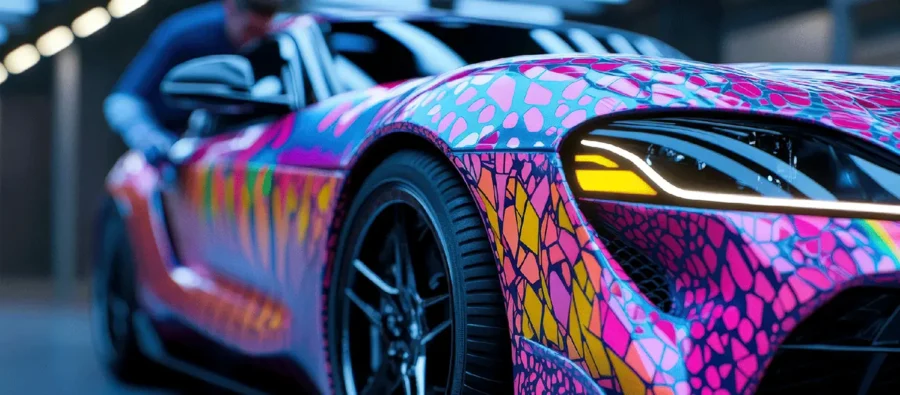
High-performance and race cars are designed to attract attention both on and off the track. Every detail is significant, from aerodynamic components to tyre selection, and visual presentation is equally important. Vehicle graphics have emerged as a vital component of contemporary motorsport culture, enabling race teams, performance enthusiasts, and specialised garages to establish a unique identity while also fulfilling practical objectives. Vehicle graphics, whether used on track-focused machines, rally cars, or road-legal performance vehicles, seamlessly blend style, functionality, and branding in a manner that few other modifications can replicate.
In recent years, the popularity of vehicle graphics has increased notably, thanks to advancements in materials and printing technology that have enabled more ambitious designs. Owners of high-performance cars now anticipate more than just a basic paint finish. They seek a visual identity, bold styling, and a professional presentation that embodies the strength and essence of the vehicle itself. In competitive motorsport, vehicle graphics are considered an integral aspect of the overall presentation, enhancing the professionalism and visual appeal of the car on race day.
The effectiveness of vehicle graphics for race cars largely stems from their capacity to generate instant recognition. Motorsport is exhilarating, and viewers have mere seconds to recognise a car as it zooms by at incredible speed. Striking vehicle graphics enable cars to capture attention immediately, facilitating teams and drivers in creating a lasting impression. Unique colours, crisp lines, and energetic patterns all enhance visual impact, especially in bustling racing settings where numerous cars might exhibit comparable shapes and body designs.
Vehicle graphics are commonly utilised to emphasise the bold design of high-performance vehicles. Numerous contemporary sports and race cars incorporate aerodynamic shapes, substantial air intakes, and artistically designed bodywork. Thoughtfully crafted vehicle graphics can highlight these features by guiding the viewer’s gaze along the vehicle’s lines and curves. Stripes, gradients, and angular shapes can create an illusion of a car that appears lower, wider, and faster, even when it is at a standstill. This visual enhancement holds significant importance in the performance automotive industry, where aesthetics are a crucial aspect of enthusiast culture.
A significant benefit of vehicle graphics is their versatility. Conventional paintwork often comes with high costs and can be challenging to modify, particularly for racing teams that frequently change sponsors, liveries, or team branding. Vehicle graphics offer a flexible option, enabling designs to be changed or updated without the need for a full respray. The ability to adapt is crucial in motorsport, as teams frequently require swift adjustments between events or seasons. This also serves individual car owners looking to enhance the appearance of their vehicle without committing to permanent changes.
The durability of vehicle graphics is a significant factor in their high regard within the realm of race cars. High-performance vehicles face challenging conditions such as heat, debris, rain, and intense UV exposure. Contemporary vehicle graphics are crafted to endure challenging conditions while preserving colour vibrancy and strong adhesion. Specialist materials are designed to resist fading, peeling, and surface damage, ensuring that race cars retain a professional appearance even after extensive use on the track. The durability of this component is especially crucial for endurance racing and long-distance events, where vehicles endure extended exposure to harsh conditions.
Beyond their aesthetic value, vehicle graphics can provide a degree of surface protection as well. Protective graphic films serve to safeguard paintwork against stone chips, minor abrasions, and road debris. High-performance vehicles frequently operate at significant speeds, raising the chances of surface damage during track sessions or competitive events. Vehicle graphics serve as a protective barrier, safeguarding the original finish beneath. For owners of valuable performance cars, this additional protection frequently serves as a notable advantage in conjunction with the aesthetic benefits.
The design process for vehicle graphics has evolved to be more intricate and refined. Contemporary digital software enables designers to craft exact templates that align perfectly with the shapes of particular vehicles, showcasing remarkable precision. This guarantees that vehicle graphics are properly aligned across panels, bumpers, and aerodynamic components. Thorough visual mock-ups enable owners and race teams to assess concepts prior to the commencement of installation. Consequently, modern vehicle graphics can attain a degree of intricacy and sophistication that was once challenging to produce reliably.
The choice of colours is crucial for the impact of vehicle graphics on race cars. Vibrant contrasting colours are frequently selected to enhance visibility, whereas darker finishes can evoke a more assertive and subtle look. Modern vehicle graphics often incorporate matte textures, metallic finishes, and reflective elements to enhance visual depth. The selected colour palette frequently embodies the driver’s personality, the team’s identity, or the desired character of the vehicle itself.
Vehicle graphics play a significant role in the commercial aspect of motorsport. Sponsorship plays a significant role in racing culture, and vehicle graphics offer an effective means to showcase promotional messaging in a clear and professional manner. The integration of logos, team identities, and visual branding into the overall design of the car can be achieved seamlessly. Effective vehicle graphics guarantee that sponsors achieve significant visibility while preserving a unified and appealing look. The equilibrium between branding and aesthetics holds significant importance for professional race teams aiming for a refined image.
For enthusiasts beyond the realm of professional motorsport, vehicle graphics continue to be a favoured way to express personal style. Owners of tuned and modified performance cars often utilise graphics to set their vehicles apart from standard factory models. Subtle detailing, racing stripes, and custom patterns can all contribute to establishing a unique identity without the need for extensive mechanical modifications. Vehicle graphics attract a diverse audience, from competitive racing teams to everyday enthusiasts who enjoy motorsport-inspired styling.
The installation process plays a vital role in the success of vehicle graphics. Thorough preparation and effective application methods are crucial for attaining a clean and long-lasting finish. Surfaces need to be meticulously cleaned and devoid of any contaminants prior to the application of graphics. Expert installers meticulously place each section to prevent wrinkles, bubbles, or alignment problems. In high-performance and race cars, precision holds significant importance as the intricate body shapes and aerodynamic components necessitate accurate fitting. Inadequate installation can diminish the aesthetic appeal and lifespan of vehicle graphics.
Advancements in technology are consistently influencing the future of vehicle graphics in the performance automotive industry. Improvements in printing quality have allowed for sharper detail, richer colours, and more intricate patterns than ever before. Contemporary materials are notably lighter and more adaptable, facilitating their application around intricate bodywork. Certain vehicle graphics now feature specialised finishes aimed at minimising glare or producing distinctive visual effects in varying lighting conditions. These innovations enable designers to expand creative limits while ensuring practicality for racing applications.
The culture of motorsport has significantly contributed to the rising popularity of vehicle graphics. Racing enthusiasts frequently connect vibrant liveries and eye-catching graphic designs with notions of speed, thrill, and rivalry. Throughout history, iconic race cars have shown how vehicle graphics can become deeply intertwined with the identity of both the car and its driver. As motorsport draws in worldwide audiences via televised events, online media, and automotive exhibitions, the need for visually striking vehicle graphics is expected to persist robustly.
The rise of vehicle graphics in recent years has been significantly influenced by social media. Owners of high-performance cars often post photos and videos of their vehicles online, leading to an increased demand for unique visual styling. Striking vehicle graphics make cars noticeable in digital content, drawing the interest of both enthusiasts and broader audiences. This online exposure has motivated more drivers and teams to invest in professionally crafted graphics that improve both their real-world presence and online visibility.
A notable trend is the increasing use of partial vehicle graphics instead of full wraps or complete liveries. Certain performance car owners favour understated styling enhancements that enhance the original paint finish instead of completely obscuring it. Accent graphics, bonnet detailing, and side panel designs are gaining popularity as they offer a motorsport-inspired look while maintaining the vehicle’s original styling. This method showcases the adaptability of vehicle graphics and their capacity to cater to various tastes and design preferences.
The vehicle graphics industry is starting to be impacted by sustainability as well. Manufacturers are creating increasingly eco-friendly materials and production techniques aimed at minimising waste and enhancing recyclability. With the automotive industry focusing more on sustainability, the demand for eco-friendly vehicle graphics solutions is anticipated to rise. This transition could ultimately result in broader acceptance of recyclable films, water-based inks, and enhanced production methods in the performance vehicle sector.
In the end, vehicle graphics have established themselves as a crucial element of high performance and race car culture. They provide much more than mere decoration, merging aesthetics, protection, branding, and individuality into one cohesive solution. Vehicle graphics serve as a powerful tool for both professional racing teams and dedicated enthusiasts, enhancing the look and identity of a vehicle while meeting practical needs in challenging settings.
As technology and design progress, vehicle graphics are expected to become increasingly sophisticated and visually captivating. Their capacity to adjust to evolving trends, racing demands, and individual tastes guarantees that they will continue to be a significant aspect of the performance automotive landscape for many years ahead.