






The development of modern interior design is an ongoing balancing act between looks and usefulness. In the past, the attention was mostly on how things looked, like colour schemes, furniture symmetry, and lighting design. Today, people are thinking more deeply and with more senses about the quality of the environment itself. This change has brought the acoustic wall panel, which was once only used in recording studios and corporate offices, into the public. It has gone from being a functional need to a must-have in stylish homes.
Many homeowners want an open-plan living space or a separate home theatre, but these desires have made it harder to regulate noise and echo. Hard surfaces, simple furniture, and high ceilings are all signs of modern design. They are also known for bouncing sound about, which makes it hard to talk, listen to music, and just relax. The addition of acoustic wall panels is a stylish and effective way to solve this problem. It makes staying at home every day a little better in a big way.
Of course, the main job of an acoustic wall panel is to absorb sound. These panels are made with special materials, such high-density polyester fibre or natural wood and felt composites, that are meant to trap sound waves instead of bouncing them back. They make speech clearer, music deeper, and outside or nearby disturbances less annoying by lowering the amount of time that sound waves bounce around in a room. This acoustic improvement is what really makes a modern home stand out. It turns a space that looks great but sounds terrible into a peaceful, cosy refuge.
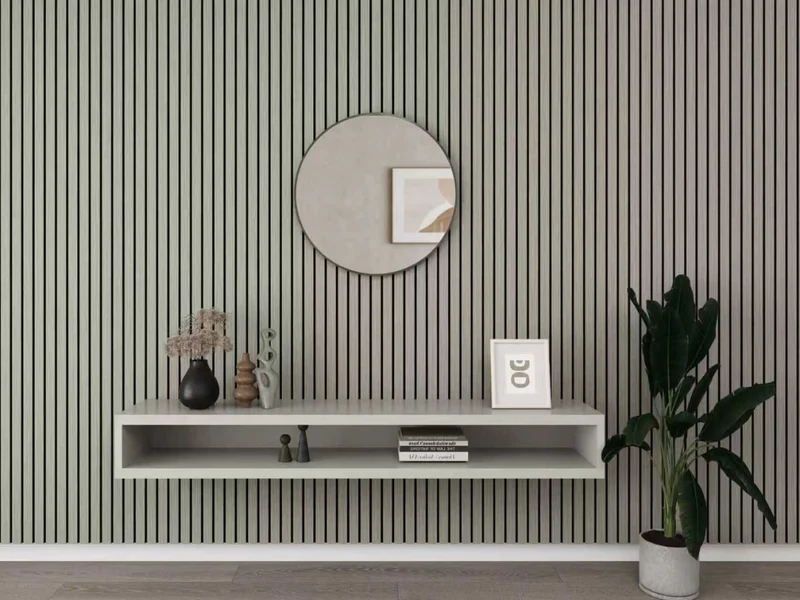
The current version of acoustic wall panels is quite popular since it can be designed in so many different ways. Those days of big, industrial-looking foam are over. Modern panels come in a huge range of finishes, such as slatted wood veneers like oak and walnut, textured fabric wraps, and even smooth surfaces that can be painted. Because there are so many different styles, the panels may fit into any design plan, from the simple, clean lines of a Scandinavian-inspired living room to the rich textures of a maximalist study. The panels themselves become a highlight, showing how much the homeowner cares about both appearance and health.
As more people work from home, the home office has become an important place to improve. Video conversations, focussing on difficult tasks, and the need to keep work noise distinct from family life all require a calm, concentrated space. This need has made the acoustic wall panel a must-have part of the design of modern workspaces. Putting panels behind the desk or on opposite walls greatly reduces echo, making sure that voices are clear on conference calls and that the room seems peaceful and good for deep work. It is a smart way to spend money on efficiency and mental clarity at work.
Also, putting acoustic wall panels in the right places is an important part of specialised entertainment areas. The sound quality is what makes a nice home theatre or listening area. Even the most expensive speakers won’t work as well as they could if the sound isn’t treated properly. This is because sound bounces off of parallel walls, generating standing waves and phase cancellation. The audio reproduction is accurate, immersive, and truly dramatic thanks to custom installations of acoustic wall panels, which are frequently paired with bass traps and diffusers. The panels not only look nice, but they also play an important technological function in making the home entertainment experience better.
People are becoming more aware of the environment, which has also helped the modern acoustic wall panel become more popular. Many of the best designs today use materials that are recycled or long-lasting. Some high-performance panels, for instance, are made from recycled plastic bottles that have been compressed into felt that is strong and fire-resistant. The wood used in slatted panels generally comes from forests that have been certified as sustainable. This choice to install acoustic wall panels is both good for the environment and looks good, which is in line with the values of today’s smart homeowners.
In addition to their functional and cosmetic benefits, adding acoustic wall panels to a home can also have a positive effect on mental health. Noise pollution is a known cause of stress that can make you tired and anxious. These panels create a peaceful space in a home by actively regulating the soundscape. This means that the brain doesn’t have to constantly filter out background noise or deal with startling echoes. The acoustic wall panel’s most powerful effect may be how it makes you feel tranquil and at ease, turning your home into a place of healing.
Installing many kinds of acoustic wall panels has become easier, making them a good choice even for people who love to do things themselves. Many popular slatted designs come in modular pieces that can be easily screwed into wall batons or glued down, so they don’t need to change the look of the room too much. Because it is so easy to use, this device has become available to everyone, not just professional contractors. Now, anyone can use it to make a big difference in their homes with little effort. The sound improvement happens right away, which is often surprising and always pleasing.
Think about how noise can travel across floors in a multi-story home, especially if the floors are made of wood. The main remedy is usually to treat the floor, although putting acoustic wall panels on the ceiling or higher walls of the lower room can greatly reduce the noise that people hear. The panels don’t stop sound from flowing through the building, but they do lower the noise level in the room by absorbing sound waves that would otherwise make the disturbance worse. This smart use shows how the acoustic wall panel may be used in many different ways to solve noise problems in the home.
In playrooms or nurseries for kids, the capacity of acoustic wall panels to last through wear and tear is just as crucial as how well they block noise. You can choose fabric-covered panels that are made of strong, easy-to-clean materials, and wood veneer panels are very long-lasting. They safely soak up the high-pitched sounds of kids playing, which keeps the rest of the house quieter. Also, some acoustic wall panels have a tactile quality and come in bright colours that can make a child’s area more interesting to the senses, showing that they are useful as both utilitarian and ornamental items.
The acoustic wall panel is a strong new tool for designers to use to create depth and texture to a room without using traditional methods like wallpaper or too much art. A wall covered in vertical wooden slats with a dark felt backdrop becomes an instant focal point, adding linear elegance and a feeling of architectural rhythm. Because of their aesthetic value, panels are often used not simply to cover regions that reflect sound, but also to improve the visual composition of a room. They can turn a simple wall into a dynamic element that also improves the sound quality. The fact that it can be used for two things is what really makes the acoustic wall panel stand out.
Open-plan kitchens and dining rooms are becoming more popular, but they often have a problem with echoing because of hard kitchen surfaces and high ceilings. The noise of dishes, appliances, and loud conversations can soon make the room feel too much. Adding mild acoustic wall panels, maybe in a ceiling raft or along a wall that isn’t used much, can help block out these annoying sounds. The change makes the area much more welcoming for guests and pleasant for everyday family life, proving that the panel is an essential part of modern open-concept living.
In conclusion, the acoustic wall panel’s path from a purely technical tool to a popular interior design feature shows that people are becoming more interested in overall house comfort. They are a perfect blend of design and function, giving you great noise suppression without sacrificing flair. As people look for ways to escape the stresses of modern life, the wide choice of stylish, effective, and versatile acoustic wall panels will keep them around for a long time, silently shaping the sound and style of modern home interiors.