





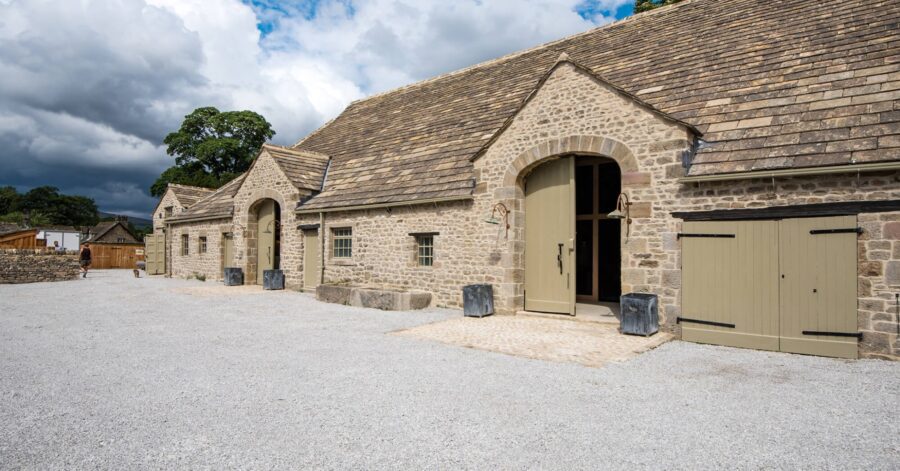
The architectural heritage of Britain showcases centuries of craftsmanship, tradition, and cultural identity. Mediaeval castles and Georgian terraces stand as testaments to history, demanding specialised care to preserve their authenticity while safeguarding their structural integrity. Heritage and lime mortar construction techniques present a fitting approach for the preservation of these valuable properties, utilising traditional methods that have been honed through generations.
The importance of preserving historic buildings goes well beyond mere visual appeal. The structures stand as concrete connections to history, reflecting the skills, materials, and architectural philosophies of the times in which they were built. Heritage and lime mortar construction services emphasise the significance of using authentic materials and traditional methods. These practices not only respect the original builders’ intentions but also meet modern conservation requirements.
An Exploration of Traditional Building Materials
Lime mortar has served as the preferred binding agent in British construction for more than two thousand years. Lime mortar, in contrast to contemporary cement-based alternatives, exhibits distinct characteristics that render it particularly appropriate for use in historic structures. Experts in heritage and lime mortar construction emphasise that the flexibility of this material enables structures to adapt seamlessly to seasonal variations and ground settlement, thereby preventing cracking or catastrophic failures.
The breathable properties of lime mortar stand out as a significant benefit for the preservation of historic structures. Traditional buildings were constructed with the intention of facilitating the natural evaporation of moisture through their walls. This design approach helps to prevent the buildup of dampness, which can result in structural damage and create unhealthy living environments. The use of heritage and lime mortar construction techniques preserves this vital characteristic, guaranteeing that restored buildings operate as originally envisioned by their designers.
Lime mortar exhibits impressive durability, particularly when applied correctly, due to its self-healing properties. Small cracks that may emerge over time have the potential to seal themselves through carbonation, a process in which atmospheric carbon dioxide interacts with lime to create calcium carbonate. The enduring nature of heritage and lime mortar construction methods can be attributed to this natural repair mechanism, which has stood the test of time throughout history.
Exploring the Essence of Traditional Craftsmanship
Authentic restoration involves more than just the use of appropriate materials; it necessitates a comprehensive grasp of traditional construction methods. Artisans skilled in heritage and lime mortar construction have acquired specialised knowledge through extensive training and years of experience in the restoration of historic buildings. Experts recognise the nuanced differences in techniques necessary for various architectural eras and local construction customs.
The process of mixing and applying lime mortar exemplifies a skilled craft. Achieving the desired consistency and performance characteristics requires a careful balance of lime putty, aggregate, and water proportions. Professionals in heritage and lime mortar construction recognise that elements like weather conditions, substrate preparation, and curing time significantly impact the final outcome, necessitating ongoing attention and adjustments during the restoration process.
Hand tools and traditional application methods continue to play a crucial role in the integrity of authentic restoration work. While machine mixing and modern application techniques offer efficiency in contemporary construction, they pose risks to the integrity and aesthetic of heritage and lime mortar projects. Experienced artisans employ traditional tools and methods, yielding results that closely resemble the original craftsmanship.
Exploring the Structural Advantages of Historic Properties
In addition to their visual appeal, the use of appropriate heritage and lime mortar construction methods offers considerable structural benefits for historic buildings. The compatibility of lime mortar with traditional building materials, including stone, brick, and timber, facilitates a harmonious interaction among the various components, thereby minimising the risk of stress points that could result in structural failure.
The sacrificial nature of lime mortar highlights a significant structural advantage. In a well-constructed traditional building, the mortar must be softer than the masonry units it holds together. Any movement or stress will be absorbed by the mortar, thereby protecting the more valuable stone or brick from damage. Heritage and lime mortar construction services play a vital role in preserving the integrity of historic masonry. By maintaining the essential hierarchy of hardness, these services ensure that repairs and maintenance can be performed on mortar joints, thereby avoiding the need for the replacement of irreplaceable historic materials.
Traditional heritage and lime mortar construction methods effectively manage temperature fluctuations and moisture cycles that pose challenges to contemporary building materials. The thermal expansion coefficients of lime mortar align closely with those of natural stone and historic brick, thereby reducing stress concentrations that may result in cracking or spalling.
Exploring the Intersection of Conservation Ethics and Authenticity
Heritage conservation demands a meticulous approach to authenticity and reversibility. Heritage and lime mortar construction services follow recognised conservation principles that emphasise minimal intervention and the use of compatible materials. The methods employed guarantee that restoration efforts bolster the historic significance of the property instead of undermining it.
The principle of reversibility holds significant importance in the field of heritage conservation. Future generations are likely to develop enhanced techniques and acquire new insights regarding the most effective conservation strategies. Heritage and lime mortar construction methods generally facilitate future modifications or reversals without harming the underlying historic fabric. This approach not only preserves options for future generations but also meets current conservation requirements.
Documentation and recording serve as crucial elements in the execution of responsible heritage and lime mortar construction projects. Thorough examination of current materials and construction methods guides restoration choices and establishes important documentation for future conservation initiatives. This methodical strategy guarantees that every project enhances the overall comprehension of traditional construction techniques.
Factors Related to the Environment
Sustainability has become a crucial factor in construction activities, with heritage and lime mortar construction presenting notable environmental benefits. Lime mortar is produced at lower processing temperatures compared to cement, leading to a decrease in carbon emissions during its manufacture. The carbonation process effectively captures carbon dioxide from the atmosphere, resulting in a material that can be considered carbon-neutral or even carbon-negative throughout its lifespan.
The durability of well-executed heritage and lime mortar construction projects offers an additional environmental advantage. Although the upfront expenses may surpass those of contemporary options, the longevity and diminished maintenance needs of traditional materials frequently lead to a decrease in overall environmental impacts over their lifespan. Restoration of historic buildings through suitable techniques ensures that these structures can fulfil their original functions for generations to come.
The practice of local sourcing materials significantly bolsters the environmental credentials associated with heritage and lime mortar construction services. Traditional building materials were generally obtained from local quarries and lime kilns, minimising transportation needs and ensuring they were well-suited to the surrounding environmental conditions. Contemporary restoration projects frequently draw upon local sources, ensuring authenticity while also reducing environmental impact.
Expertise and Training in Professional Fields
Heritage and lime mortar construction present a level of complexity that demands specialised knowledge, surpassing the capabilities of general building skills. Professional craftspeople engage in rigorous training that encompasses traditional techniques, materials science, and the principles of conservation. The expertise involved guarantees that restoration projects meet the necessary standards for authenticity and durability.
Grasping the distinct requirements of various historic periods and architectural styles is essential for professionals in the field of heritage and lime mortar construction. Mediaeval construction techniques stand in stark contrast to those of the Georgian or Victorian eras, necessitating a significant adaptation of methods by craftspeople. The knowledge specific to this period guarantees that restoration efforts honour the original architectural character.
Research and development efforts are actively refining heritage and lime mortar construction techniques. The collaboration among craftspeople, conservators, and researchers enhances the understanding of traditional materials and methods. This synergy ensures that contemporary restoration projects leverage the latest knowledge while preserving their authentic character.
The future of Britain’s architectural heritage hinges on the ongoing use of suitable traditional techniques and materials. The services offered in heritage and lime mortar construction deliver the essential expertise and genuine methods required to preserve these significant cultural assets for the benefit of future generations. By employing proven techniques and materials, historic properties can maintain their vital role within communities while preserving their fundamental character and importance.