




When a single machine makes a complex day simpler
Construction sites are a series of small problems that add up: tight access, shifting ground conditions, tight schedules and the constant pressure to keep costs under control. Choosing the right earthmoving machine for the task may not feel glamorous, but it directly affects productivity, fuel use, staff morale and how quickly a job is completed.
Practical choices start with a clear understanding of the everyday frictions teams face. Minutes lost manoeuvring unsuitable kit, downtime for unfamiliar controls, or delays while waiting for a replacement attachment all hit the bottom line and stretch project timetables. A pragmatic approach that matches machine capability to the specific demands of the site reduces those frictions.
That matching is not simply about size. It is about duty cycle, reach, lifting capacity, the ease of transport between sites, and how quickly a machine can be returned to service after routine maintenance. For many contractors, the right excavator is the one that balances capability with running costs across a season of varied tasks.
Across the market there are compact machines designed for tight urban sites, medium machines for general construction and larger models for substantial earthmoving or quarry work; specialist demolition excavators and electric models increasingly feature where quieter operation and lower emissions matter. Understanding where each of these categories adds value on a day-to-day basis helps site teams pick machines that solve problems rather than create new ones.
Working with a local SANY dealer can make the selection process far more straightforward, because a single conversation can bring together machine choice, attachments, finance and delivery into a practical plan tailored to the work ahead.
How a dealer becomes a practical problem‑solver
Good dealers act as advisers as much as suppliers. They can help translate a brief — for example, replacing a contractor’s ageing compact excavator used across landscaping and small groundwork tasks — into a shortlist of machines whose capability, transport footprint and operating costs suit the operator’s rhythms.
That advisory role typically covers a number of pragmatic services: an honest appraisal of which size class suits a given job; options for attachments that reduce downtime between tasks; and guidance on ownership models such as purchase, hire‑purchase or flexible rental terms. Those conversations are especially useful for businesses managing a mixed portfolio of short and long projects.
From site visit to specification: a simple workflow
Begin with a focused site assessment. A dealer will discuss access constraints, typical dig depths and materials encountered, the need for hydraulic outlets for attachments, and daily utilisation. Those details allow a specification to be written that avoids under‑ or over‑sizing the machine.
Once a specification is agreed, sensible next steps include exploring finance and delivery. Flexible finance lets businesses preserve working capital and align repayments with cash flow, while careful delivery planning reduces time lost moving machines between sites. Dealers that offer UK‑wide delivery options ease logistics for firms working across regions.
Aftersales and servicing — keeping machines productive
Maintaining uptime is a day‑to‑day concern. Access to spare parts, routine servicing schedules and clear channels for technical advice shorten response times when a machine needs attention. Dealers with a service network or recommended workshops simplify the maintenance planning that keeps fleets earning revenue rather than sitting idle.
Manufacturer warranty support and organised servicing plans are practical features that make ownership easier. They reduce administrative friction and give small plant operators the confidence to order work with predictable running costs and care schedules.
Choosing between mini, medium and large excavators in practice
Mini excavators (around 1.6 to 8 tonnes) are invaluable on sites where space is tight and transport between locations is frequent. They excel in landscaping, utilities work and urban groundwork because they minimise the need for manual handling and often reduce the number of labour hours required to complete a task.
Medium excavators (roughly 14 to 30 tonnes) are the versatile backbone for many contractors. Their combination of digging power, reach and stability makes them well suited to general construction, civil engineering and foundations. On longer projects these machines frequently earn their keep through sheer flexibility — switching from trenching to site levelling to loading tasks with the right attachment.
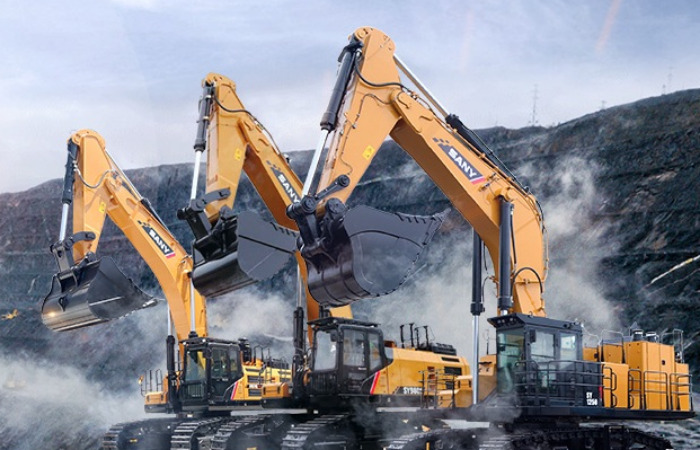
Large excavators are specialised in the sense that they address sustained heavy earthmoving and quarrying work. They bring greater digging forces and reach, and are most cost‑effective where utilisation is high across longer projects. A sensible buying decision weighs transport costs and the frequency of large‑scale tasks against the clear productivity benefits these machines provide.
Specialist demolition and electric alternatives
Demolition excavators combine reinforced structures, specialised booms and operator protections for safe, efficient dismantling of structures. For contractors frequently involved in strip‑out or controlled demolition, the productivity gains and operator safety features here are practical considerations rather than luxuries.
Electric excavators now present a compelling day‑to‑day case where sites operate in noise‑sensitive areas or where lower local emissions support planning requirements. Their quieter operation and reduced onsite emissions can improve the working environment and simplify compliance in certain urban contexts.
Attachments, operator comfort and the human factor
Attachments extend the usefulness of a single machine and reduce the need for multiple specialist units. Quick‑hitch systems, hydraulic breakers, compactors and grapples let a contractor switch tasks rapidly. Selecting compatible attachments at the outset avoids costly retrofits and downtime.
Operator comfort influences productivity more than many realise. A well‑designed cab with clear sightlines, intuitive controls and comfortable seating helps reduce fatigue and improves accuracy. For a business that depends on a small number of operators, these human‑centred features translate directly into steadier output across a working day.
Fleet planning: matching utilisation to investment
Across a season, the machine that delivers most value is the one used consistently and appropriately. Fleet planning should therefore consider likely utilisation rates, the diversity of jobs, transport logistics and the resale horizon. Where utilisation varies, a blend of owned and hired machines can preserve capital while meeting peaks in demand.
Resale value is a practical factor in long‑term budgeting. Machines that are well maintained, with clear service histories, typically sell more readily and achieve stronger prices. Dealers who offer part‑exchange options or take care of reconditioning simplify that end of life process for owners.
Practical purchasing steps to reduce surprises
Start with accurate needs analysis: short site surveys and honest conversations about typical tasks pay dividends. Request a demonstration where possible; seeing a machine in action on comparable ground is the best way to judge whether controls, reach and visibility suit the operator.
Ask for clear, written proposals that cover delivery timelines, warranty terms, servicing recommendations and any included training. A transparent, staged plan removes ambiguity and helps project managers schedule around machine availability.
Bringing the pieces together on the ground
Everyday site problems respond to straightforward solutions: the right machine, the correct attachments, reasonable finance terms and a service partner that keeps things moving. Thinking in terms of those practical elements — rather than purely technical specs — helps contractors and plant managers make decisions that reduce daily friction and increase predictability.
When machine selection is treated as a practical exercise in matching capability to need, the benefits are immediate: smoother workflows, fewer interruptions and a clearer view of operating costs. Choosing equipment with an eye to how it will be used on Monday morning, not just how it performs on paper, is what separates machines that merely look capable from those that genuinely solve site problems.
For teams planning purchases or fleet adjustments, a pragmatic conversation with a dealer who understands both machine categories and the logistics of ownership can turn a complex decision into a clear action plan. That practical, solution‑driven approach keeps projects moving and makes everyday site life measurably easier.
Get in Touch:
Fitzgerald Plant Services Ltd
Avondale Business Par, Avondale Rd, Cwmbran NP44 1TS
01633 860693
fitzgeraldplant.co.uk