



South Korea has long been regarded as the cosmetic surgery capital of the world, and the numbers speak for themselves. According to market projections, the South Korean cosmetic surgery and procedures market, valued at approximately $2.47 billion in 2024, is anticipated to reach $12.14 billion by 2034, growing at a compound annual growth rate of over 17% across the decade. Within this extraordinary expansion, one procedure has quietly emerged as a defining symbol of the country’s evolving relationship with beauty, ageing, and self-presentation: the surgical facelift at one of Seoul’s prestige clinics such as Planet Plastic Surgery. Understanding why more South Koreans — and indeed more international visitors — are investing in facelift procedures requires a look at culture, economics, technology, and a society in the midst of a profound demographic and psychological shift.
A Culture That Embraces Enhancement
To appreciate the scale of South Korea’s cosmetic surgery industry, one must first understand the cultural context in which it thrives. Unlike many Western nations where cosmetic surgery carries a degree of social stigma, South Korea has normalised aesthetic enhancement to an extraordinary degree. Korean society has no problem with plastic surgery and in fact, openly admires it. For many South Koreans, undergoing a procedure is not a private secret to be hidden but a personal investment to be celebrated, discussed openly with family, and even recommended to friends.
This cultural openness has created the conditions in which specialist clinics — particularly those focusing on facial rejuvenation — can flourish openly and confidently. The Gangnam district of Seoul, perhaps the most famous concentration of cosmetic clinics in the world, has become something of a pilgrimage site. Rows and rows of cosmetic, aesthetic and dermatological clinics sit beneath towering skyscrapers, studded with advertisements displaying aspirational imagery and taglines like “Do you want your life to be like a movie?” Locals call it “Plastic Surgery Street,” and it has become an unlikely tourist attraction.
The Role of Lookism and Career Pressure
Beneath the cultural normalisation lies a more structural force: the deeply embedded belief that physical appearance has a direct bearing on professional and social success. In South Korea, this phenomenon has its own term — “lookism” — and its effects on consumer behaviour are significant. Many people in South Korea believe that they need cosmetic surgery in order to compete at school and work, especially since many employers require job applicants to submit pictures with their résumés.
This is not merely perception. A young woman reflecting on the pressure observed that if an interviewer saw two candidates with similar abilities, they would naturally favour the better-looking one. For older workers particularly, the pressure to appear youthful and vital in a competitive job market has fuelled demand for procedures that address visible signs of ageing. Facelifts, once associated primarily with vanity, are increasingly viewed by South Korean professionals as a pragmatic investment in their careers and long-term employability. Clinics specialising in facelifts have capitalised on this, marketing their services not merely as beauty treatments but as confidence-building, life-enhancing decisions.
Advanced Techniques Setting a Global Standard
One of the most compelling reasons behind the rise in facelift investment in South Korea is the quality and innovation of the surgical techniques being offered. Korean surgeons have developed and refined approaches to facial rejuvenation that are now considered among the most sophisticated in the world. Korean surgeons specialise in High SMAS (Superficial Musculoaponeurotic System) facelifts, which lift both the skin and the deeper muscle layers, resulting in longer-lasting, more youthful appearances compared to surface-level lifts.
Korean surgeons have widely adopted the deep plane technique, known for its natural and long-lasting results, and often go further by incorporating surgical thread lifts as additional scaffolding for enhanced tightness — a practice less common elsewhere. his layered, comprehensive approach gives patients outcomes that look genuinely natural rather than overtly surgical, addressing one of the most common anxieties people bring to consultations. The philosophy underpinning Korean facelift surgery is not transformation for its own sake, but rather the restoration of harmony, proportion, and vitality.
Clinics offer a spectrum of options to suit different patients and different degrees of ageing, from full SMAS facelifts designed for significant sagging to mini facelifts targeting the lower face and jowls, endoscopic lifts for younger patients, and thread lifts for those seeking a non-surgical alternative. This breadth of offering, combined with personalised pre-operative consultations that often include digital simulation tools to preview potential outcomes, has made Korean facelift clinics attractive to a wide demographic range.
A Rapidly Ageing Population
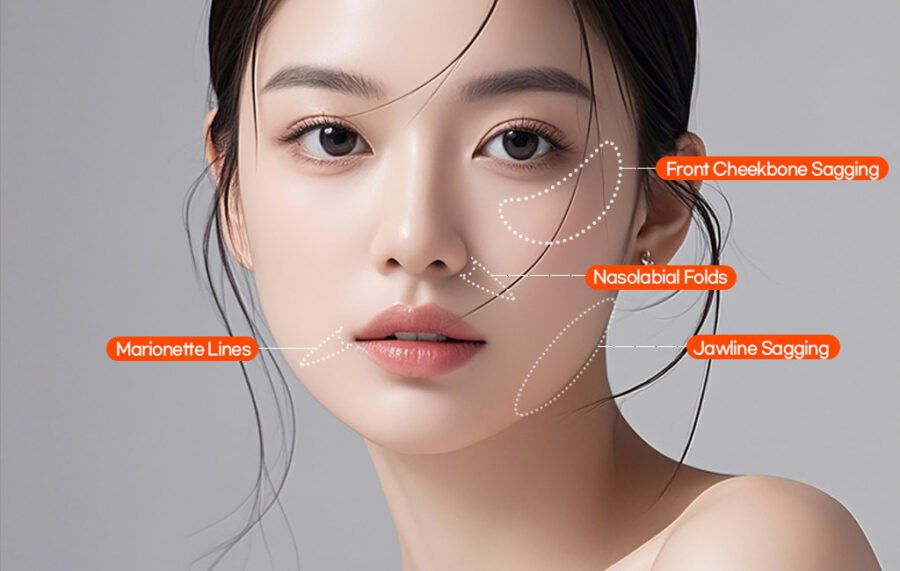
South Korea’s demographics are also playing a role in the surge of interest in facial rejuvenation procedures. The country has one of the lowest birth rates in the world and is ageing rapidly, meaning there is a growing cohort of middle-aged and older Koreans with both the financial means and the motivation to invest in their appearance. The 30 to 54 age group dominated the cosmetic surgery market share in 2024, reflecting the particular concern of working-age adults with maintaining a youthful, vital appearance. For this generation, a facelift is not a frivolous indulgence but a considered response to the realities of ageing in a society where appearance is closely tied to social capital.
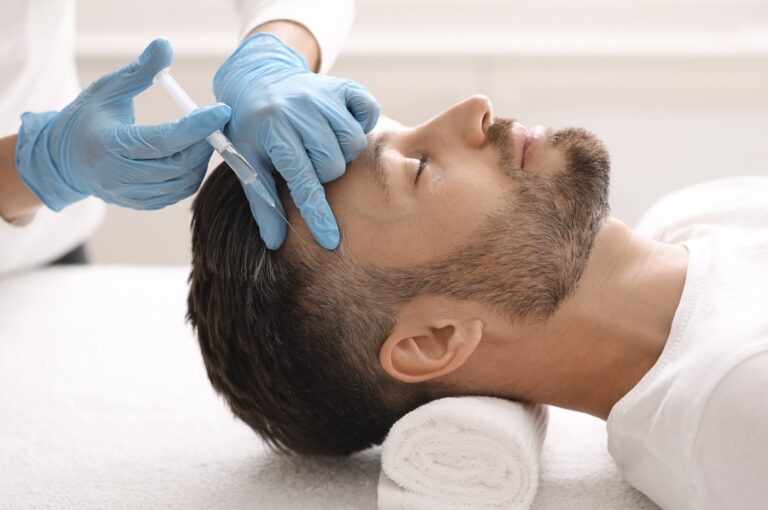
There is also a notable and growing trend of men seeking facelift procedures in South Korea. Face lift surgeries in Korea are no longer limited to women, with a growing number of men seeking procedures to address signs of ageing and enhance their appearance, with surgeons increasingly experienced in tailoring outcomes to the unique needs and desires of male patients. Clinics that once catered almost exclusively to women are now developing dedicated programmes and marketing approaches for male clients, further broadening the potential patient base.
Cost-Effectiveness and World-Class Aftercare
Compared to the United States or Western Europe, South Korea offers facelift procedures at significantly lower price points without any compromise in quality. While facelifts in the US or Europe can cost between $15,000 and $25,000, Korean clinics offer equal or higher quality procedures from $5,000 to $12,000. This price differential has been a driving factor not only for domestic patients but for the explosion of international medical tourism that has, in turn, further professionalised and elevated the industry domestically.
Post-operative care in Korea is notably comprehensive. Rather than the relatively hands-off recovery experience common in Western countries, Korean clinics actively monitor patients for days or weeks after surgery, with scheduled follow-ups to ensure optimal healing. This level of attentiveness gives patients confidence in the process and drives word-of-mouth recommendations that are essential in a market built so heavily on personal trust and visible results.
Government Support and Medical Tourism
The South Korean government has been an active participant in the growth of the cosmetic surgery industry, recognising its enormous economic potential. Since 2009, the country has slackened visa restrictions, implemented cosmetic surgery tax refunds, and partnered with medical tourism agencies to make it easier for foreigners to obtain aesthetic care in the country. In 2023, the government announced a goal to attract 700,000 medical tourists by 2027, and by the end of 2024 nearly 1.2 million foreign patients had already travelled to the country, with over half seeking out dermatological treatments and cosmetic surgery.
This international influx has had a virtuous effect on domestic standards. As clinics compete for global patients with high expectations and the ability to compare offerings across multiple countries, standards of care, surgical innovation, and patient experience have been continuously driven upward. Korean facelift clinics, in particular, have responded by investing in state-of-the-art facilities, recruiting surgeons with international training, and developing aftercare programmes that rival private hospital services.
K-Beauty, K-Pop and the Power of Cultural Export
The global dominance of K-pop and the broader Korean cultural wave — known as Hallyu — has created an international template for Korean beauty ideals that continues to influence both domestic and international demand for facelift procedures. The rise in popularity of K-beauty and K-pop trends continues to help South Korea maintain its stronghold on the global cosmetic surgery industry. As Korean entertainers and media personalities project images of smooth, defined, and apparently ageless faces to audiences across Asia and beyond, the aspirational pull of Korean aesthetic medicine grows stronger.
For domestic consumers, the visibility of these ideals in everyday media reinforces a social environment in which investing in one’s face is seen as both rational and desirable. Clinics specialising in facelifts have become adept at aligning their messaging with these cultural currents, presenting surgical rejuvenation not as an admission of insecurity, but as an act of agency — a deliberate choice to look and feel one’s best in a society that rewards effort and presentation in equal measure.
South Korea’s facelift industry is not simply a product of vanity. It is the result of a complex interplay of culture, economics, demography, technological excellence, and government ambition. As the market continues to grow and the country cements its position as the world’s premier destination for facial rejuvenation, the question for potential patients is no longer whether to consider it, but simply when.