



Roof top tent systems, which provide a special blend of accessibility, comfort, and convenience for camping aficionados, are becoming more and more popular due to the rising popularity of outdoor adventures and overlanding. You may greatly improve your outdoor experience and ensure your safety and comfort in varied conditions by understanding the critical variables involved in picking the correct roof top tent, whether you’re planning weekend vacations or extended adventure travel.
A Basic Introduction to Roof Top Tents
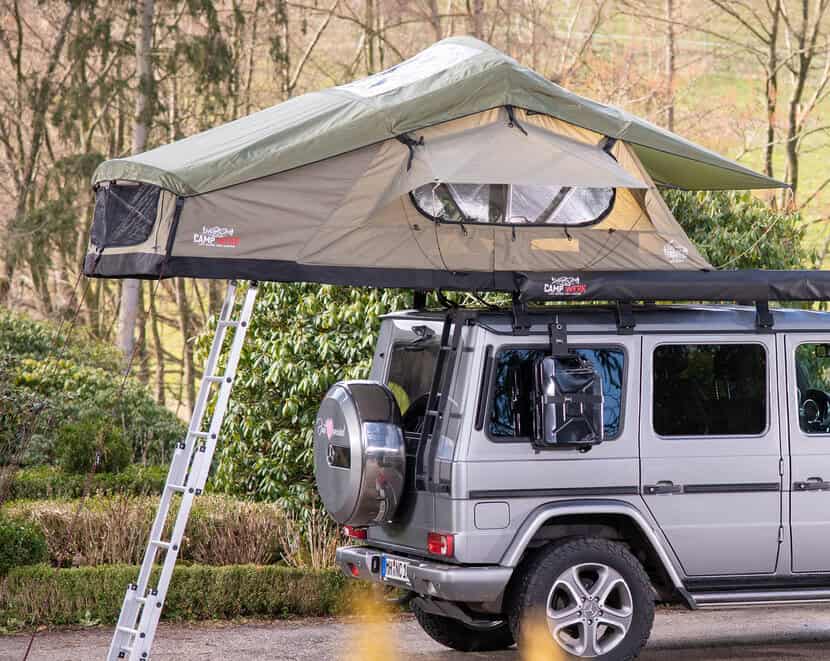
You can turn your vehicle into a mobile basecamp and go almost anyplace you want with a roof top tent, which is a totally new way of camping. If you’re looking for an alternative to standard ground tents, these raised shelters attach straight to your car’s roof rack system. They offer a quick and easy way to sleep, shielded from bugs, dampness, and uneven ground. The main allure is the ease it provides, as you won’t have to worry about finding a good camping location or dealing with bad ground conditions because your lodging is permanently linked to your car.
Typically, the structure starts with a hard or soft shell that opens to provide a cosy sleeping space with an integrated mattress and protection from the elements. When opposed to sleeping on the ground, this higher posture has several advantages, including improved ventilation, views, and security. Sleeping above ground level has incalculable psychological benefits, especially while camping in places with difficult terrain or wildlife.
Factors Relating to Weight and Vehicle Compatibility
It is essential to know the weight and structural capabilities of your vehicle before purchasing a roof top tent. There is a big difference between the static weight rating that applies while the vehicle is at rest and the dynamic weight rating that applies when it is in motion. When parked, most cars can hold much more weight than when driven, however going above the dynamic weight limitations could compromise your vehicle’s safety, handling, and braking ability.
Extremely concentrated loads can damage mounting points and compromise vehicle stability, therefore it’s important to plan your roof rack system’s weight distribution accordingly. There shouldn’t be any noticeable change to your vehicle’s centre of gravity that compromises handling due to a correctly distributed roof top tent. The weight of the tent, its occupants, and any extra gear should not exceed the safety limits specified by the manufacturer.
Factors like as accessibility, clearance limitations, and roof rack compatibility are also part of vehicle compatibility, in addition to weight. Not all tent designs are compatible with all cars; some may have height limits that prevent you from using certain tent models, while others may require special mounting solutions.
Planning for Scale and Capacity
Consider the sleeping capacity and overall dimensions carefully when selecting the proper size roof top tent. Manufacturers usually evaluate tents based on the number of people who can fit inside, but these ratings frequently overlook the amount of space available for gear storage. If you want extra room to stretch out and sleep comfortably, according to real-world usage trends, it’s best to get a tent that’s rated for one more person than your actual group size.
The tent’s increased size changes the driving factors and the amount of time needed for setup. When camping in tight quarters or beneath low-hanging branches, a bigger tent could be a pain to set up because of the extra room it needs. The aerodynamic effect of a bigger tent, especially in crosswinds, may have a major influence on gas mileage and the way the vehicle handles.
Extended usage comfort is affected by interior height and layout design. A more spacious inside makes it easier to walk around and get dressed, and a well-planned layout can make the most of available area and offer practical places to keep gear and personal belongings.
Building Supplies and Longevity
Durability, weather resistance, and longevity are directly affected by the building materials used in the fabrication of roof top tents. Top-notch materials should be able to keep water out while yet allowing air to circulate, so condensation doesn’t form. Prolonged exposure to the sun can weaken less durable fabrics and reduce the effectiveness of weather protection, thus it’s crucial that the fabric is UV resistant when used outside for lengthy periods of time.
There are a number of benefits to using either aluminium or steel when building a frame. Aluminium frames are perfect for a wide range of environments due to their resistance to corrosion and high strength-to-weight ratio. While steel frames are very strong and long-lasting, they are heavier and can rust in damp or salty situations.
Longevity and user-friendliness are greatly impacted by the quality of the hardware components, such as mounting systems, hinges, and locks. In addition to withstanding the strains of repeated deployment and severe climatic conditions, high-quality gear should function without a hitch throughout the tent’s lifetime.
Protection from the Elements and Adaptation to the Seasons
In addition to waterproofing, there are a number of environmental considerations that must be considered for effective weather protection. When camping in exposed areas, wind resistance is of the utmost importance, hence strong frame design and anchoring mechanisms are required. Seam sealing and the arrangement of the rainfly are two design elements that contribute to the tent’s water-shedding capabilities; the quality of the materials used is also important.
In humid or temperature-changing environments, ventilation systems are especially important for keeping people comfortable and avoiding moisture accumulation. Multiple ventilation ports in well-designed roof top tent systems may be adjusted to the changing weather while still providing weather protection.
Material selections and feature needs might be influenced by seasonal factors. In the winter, better insulation and condensation management are necessities, while in the summer, air circulation and sun protection are of the utmost importance. Depending on the time of year, you may adjust the setup of some tents with the help of removable attachments.
Deployment and Setup Procedures
The camping experience may be greatly enhanced by a roof top tent that is easy to set up and takes very little time, especially if you move about a lot or if the weather is bad. While manual deployment techniques are dependable and easy to use, they are also time-consuming and physically demanding. Though they may need repair every so often, gas-assisted mechanisms lessen deployment effort without sacrificing dependability.
While completely automated systems offer the highest level of comfort, they also increase complexity and create potential sites of failure. You should make sure that your mechanical comfort level and expected usage patterns are in harmony with the dependability and convenience trade-off. Also, think about the needs for deployment in different kinds of weather, as certain mechanisms could not work well in really hot or wet environments.
The ease of transport and the speed with which the tent may be set up are both impacted by its packaging and storage mechanism. Quick setup when you get to your location is possible thanks to efficient packaging procedures that shield tent components from weather and road debris.
Safety and Security Features
There are a lot of factors to think about when it comes to camping security, including the integration of vehicles and the increased safety of sleeping. The tent’s locking mechanisms should keep it safe while in transit and ensure that its contents are adequately protected when set up. Pay close attention to the ladder system because it is both an entry point and a possible security hole.
Emergency escape capabilities and a robust structure that can endure unforeseen weather occurrences are important safety characteristics. If you need to get out of your tent quickly, you can choose designs with several exit points or with quick-release mechanisms. When bad weather strikes, the mounting system’s structural integrity becomes very important for the safety of the occupants.
Lifespan and Upkeep
The life expectancy of a roof top tent may be considerably increased with the right maintenance techniques. Fabric parts, hardware, and mounting systems may be checked and cleaned on a regular basis to catch problems before they escalate. In addition to clearly outlining care requirements, the tent’s design should make upkeep a breeze.
The durability and affordability of a tent are impacted by the ease of replacing its parts over time. The ability to properly maintain tents over their operating lifetime is greatly enhanced when manufacturers offer easily accessible replacement components and comprehensive maintenance paperwork.
Financial Factors and Evaluation of Worth
Roof top tents range in price from quite a bit depending on factors like size, features, and build quality. Mounting hardware, installation, maintenance, and possible changes to the vehicle all contribute to the total cost of ownership, which is an essential factor to consider in addition to the initial purchase price. Because they last longer and need less care, higher-quality tents are more cost-effective in the long run.
Not only should you maximise the available functionality, but the feature set should also correspond with your individual demands and usage patterns. Overly complicated systems can lead to higher startup costs, more frequent maintenance needs, and worse overall reliability.
In summary,
Prior to making a final decision on a roof top tent, it is important to take into account not only the basic characteristics but also your own requirements, the capabilities of your vehicle, and how you want to use it. It is possible to make a well-informed purchase that will improve your outdoor experiences and last a long time by carefully assessing the following factors: weight, size, construction quality, weather protection, and deployment procedures. If you want to upgrade your camping experience, consider purchasing a high-quality roof top tent system. These systems provide unmatched comfort and convenience, allowing you to go on new adventures with ease.