






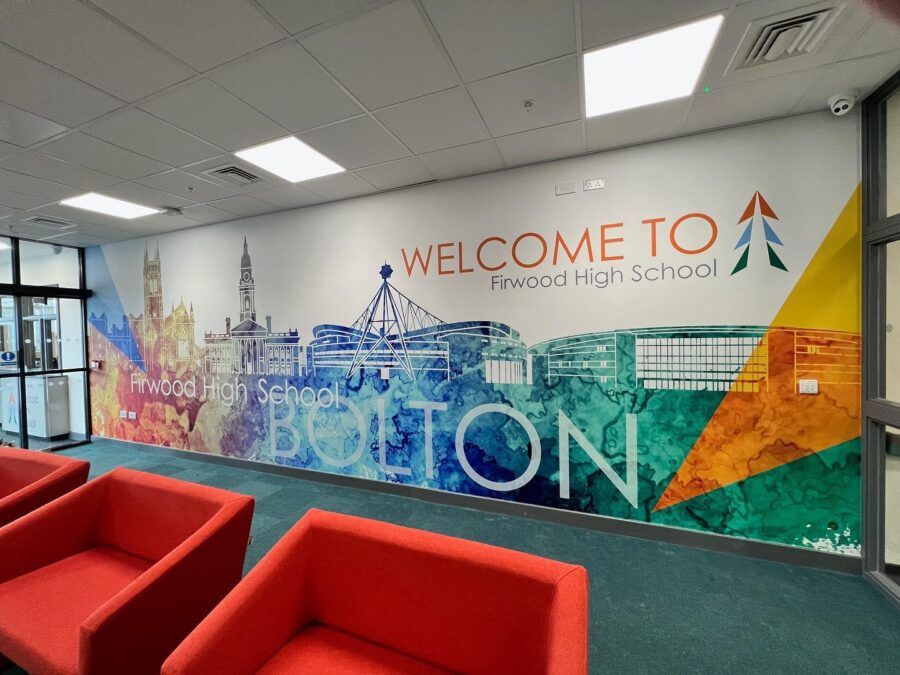
Visual changes have been noticeable in British schools in recent years, with school wall designs becoming more common in elementary, middle, and high schools as well as colleges and universities. These eye-catching, educational, and frequently interactive displays have completely transformed the way classrooms are planned and executed. School wall graphics are becoming more popular, which is indicative of a larger change in educational philosophy. This movement acknowledges the significant influence of the physical environment on students’ engagement, learning results, and general wellness.
The Development of Learning Spaces
Unless you counted bulletin boards or student artwork, most school walls looked rather bare. However, the approach to school design has also developed along with our understanding of learning settings. Nowadays, schools are seen as more than just a place to learn; they are strong instruments that may foster an atmosphere of inquiry, drive home learning goals, and bring students together.
The result of this paradigm change is the proliferation of educational wall graphics. Unlike flyers or other short-term displays, these expertly created and placed graphics turn whole walls, hallways, and common areas into interactive learning environments. School wall graphics have grown in importance in today’s classrooms, from interactive periodic tables in scientific classes to historical timelines that cover whole corridors.
School Wall Graphics and Their Positive Impact on Learning
School wall graphics have recently become quite popular due to the many educational benefits they offer. Visual learning aids considerably improve information retention and comprehension, according to research in educational psychology. Wall graphics in schools take use of this idea by making course materials more appealing and easier to understand.
Walls decorated with geometric patterns and mathematical equations in mathematics departments, for instance, not only provide colour to the room but also act as visual reminders of important ideas. As an analogy, language classes that artistically show grammatical rules or global maps with greetings in several languages might help pupils retain information even when they aren’t paying attention in class.
Wall graphics in the classroom do more than only display topic matter; they also aid in the acquisition of reading and writing abilities. Themed graphics, word walls, and alphabet displays all work together to provide language-rich spaces that encourage reading and the development of a larger vocabulary. Given the importance of environmental print in the early years and primary settings for literacy development, this is of utmost value.
Building Safe and Accepting Spaces for All
The ability of school wall graphics to foster more welcoming and inclusive classrooms is another element contributing to their rising appeal. The significance of diverse representation in teaching materials is becoming more and more acknowledged by schools, and wall graphics provide a great opportunity to do just that.
Wall decorations that honour other cultures, showcase the accomplishments of varied role models, or provide information in more than one language are becoming commonplace in many schools. All kids should feel respected and included in school life, and these inclusive displays help achieve just that.
Students’ mental health and social development can also be aided by the use of school wall graphics. School settings that support the development of the complete child include hallways and common spaces that display growth mindset messaging, visual reminders of school ideals, and positive affirmations. Students gain self-assurance and competence as they are guided through the school day by visual signals for routines and required behaviours provided by wall graphics in schools that employ positive behaviour techniques.
Interactive Experiences and the Integration of Technology
The most recent development in instructional wall graphics is the use of interactive components and technology, which increases their efficacy. Wall displays may be enhanced with QR codes that connect to further resources, films, or student-made material, allowing learning to go beyond what’s on the wall. With the use of augmented reality apps, even the most static photos may come to life on mobile devices, making for an immersive and interesting educational experience.
In order to encourage students to use more than one sense when engaging with the material, many schools are trying out wall graphics that incorporate interactive touch panels. The increasing focus on digital literacy and integrated learning methods in modern education is mirrored in these technical advancements.
Relevant Realities Promotion of Adoption
There are a number of pragmatic reasons why school wall graphics have become so popular, in addition to their pedagogical merits. Thanks to developments in printing technology and materials, schools with various budgets may now affordably access high-quality, long-lasting graphics. For the sake of cleanliness, durability, and compliance with safety standards, modern wall graphics make use of materials that are ideal for use in educational institutions.
When opposed to standard displays, which necessitate frequent updating and refreshing, the maintenance requirements of them are negligible. School wall graphics are an investment that pays for itself over time since their effectiveness lasts for years after installation. When school administrators are trying to meet several needs with a limited budget, this durability is an important consideration.
Application Across Various Levels of Education
As students move through their schooling, their needs and capacities change, and so do the ways in which school wall graphics are used.
Wall graphics in early years settings typically include basic, clear iconography, recognised figures, and brilliant colours. The transition from home to school may be smoothed out in one of these visually appealing locations, which also promote early development and are kid-friendly.
School wall graphics in primary schools often combine instructional information with interesting visual features. Common examples are library walls turned into magical woods that promote a love of reading, playground markings that mix physical exercise with learning possibilities, and corridor timelines tracking major historical times.
In secondary schools, students learn about a variety of subjects and get help figuring out what they want to do with their lives through career counselling and subject-specific classroom wall graphics. Visual representations of the school’s principles and ethos, test-taking tips, and motivational quotations from a variety of role models are commonplace in common areas.
Education institutions at the secondary and tertiary levels are now jumping on the bandwagon, but with more nuanced layouts to cater to adult students. Departments at universities often make use of wall graphics to display course-related conceptual frameworks, research timelines, or discipline accomplishments.
The Next Big Thing in Classroom Visuals
School wall graphics will likely remain popular for the foreseeable future. The future of wall graphics is bright, because to the growing importance of individualised learning, student welfare, and practical applications in today’s classrooms.
Schools are beginning to see the importance of student input in developing engaging learning environments, and one trend that is emerging is more student participation in the design process. Sustainability in the built environment is also having an impact on the materials used and the methods used in design, with more and more people looking for and purchasing environmentally friendly products.
As schools adapt to new health rules and strive to create interesting learning spaces, the interest in school wall graphics has been heightened by the COVID-19 epidemic. A good example of how this medium may adapt to changing educational demands is the proliferation of graphics that promote social distance or cleanliness habits on school walls.
In summary,
The astounding surge in demand for school wall graphics is a reflection of their distinctive capacity to serve both as an attractive design element and an instructional tool. These installations make the most of every available area in educational environments by turning plain walls into useful teaching aids.
Wall graphics, when done effectively, may have a positive impact on student engagement and school spirit, so it’s no surprise that they’re becoming increasingly common in classrooms. When done right, school wall graphics may be more than just decorative; they can be an essential part of a well-planned classroom that helps students learn and grow by fostering an atmosphere of inquiry, imagination, and community.