





PUWER assessments are a crucial part of maintaining a safe and legally compliant workplace where machinery and work equipment are used. Standing for the Provision and Use of Work Equipment Regulations, PUWER ensures that all equipment provided for use at work is safe, properly maintained, and operated by trained individuals. For employers, knowing what to expect during a PUWER assessment is the first step to ensuring compliance and protecting workers from avoidable risks.
When scheduling PUWER assessments, most workplaces expect a combination of inspection, documentation review, and operational evaluation. The assessment aims to confirm that every item of work equipment, from handheld tools to large industrial machinery, meets essential safety and operational standards. These assessments aren’t just box-ticking exercises—they’re designed to identify potential failures before they lead to injuries or costly downtime.
The first stage of PUWER assessments generally involves an initial site visit and a comprehensive equipment inventory. Assessors will walk through the workplace to identify all machinery and equipment in use. This process ensures that nothing is overlooked, including lesser-used tools that might still pose a hazard if they lack proper guards or maintenance. During this stage, assessors will typically review existing maintenance logs, equipment manuals, and risk assessments to gain a full understanding of how equipment is managed on-site.
An important aspect of PUWER assessments is determining whether each piece of equipment is suitable for the task it performs. Suitability goes beyond functionality—it includes factors such as whether the machine is designed for the environment it operates in, whether correct guards and safety devices are fitted, and whether it can be used without exposing workers to unnecessary risk. For example, a power tool rated for dry indoor use would fail a PUWER assessment if it were used in damp outdoor conditions without proper protective measures.
Once suitability has been reviewed, PUWER assessments focus closely on equipment condition and maintenance. The assessor will check whether items are being properly inspected and serviced according to manufacturer guidelines or internal maintenance plans. Evidence of scheduled inspections, repair logs, and records of replaced components all contribute to demonstrating compliance. If an item shows signs of wear or modification, the assessor will note whether such changes have affected its safety. This part of the process often reveals how well a business’s maintenance regime aligns with regulatory expectations.
Next, the assessor will review operator training and competence as part of the PUWER assessment. Even the safest machine becomes a hazard if used incorrectly. Assessors will examine training records, operating procedures, and supervision arrangements to confirm that only competent individuals use specific equipment. They may ask questions about how workers are introduced to new machinery and how refresher training is provided. Evidence of consistent instruction, supervision, and competence testing is a key indicator of compliance in PUWER assessments.
Documentation and record-keeping form another major focus area. A thorough PUWER assessment will involve reviewing maintenance schedules, safety inspection checklists, risk assessments, and manufacturer data sheets. These records serve as proof that a business continuously monitors equipment safety. In many cases, businesses discover during PUWER assessments that their paperwork lacks the necessary detail or consistency. Addressing documentation gaps early helps create a transparent audit trail, reducing the risk of legal issues should an incident occur later.
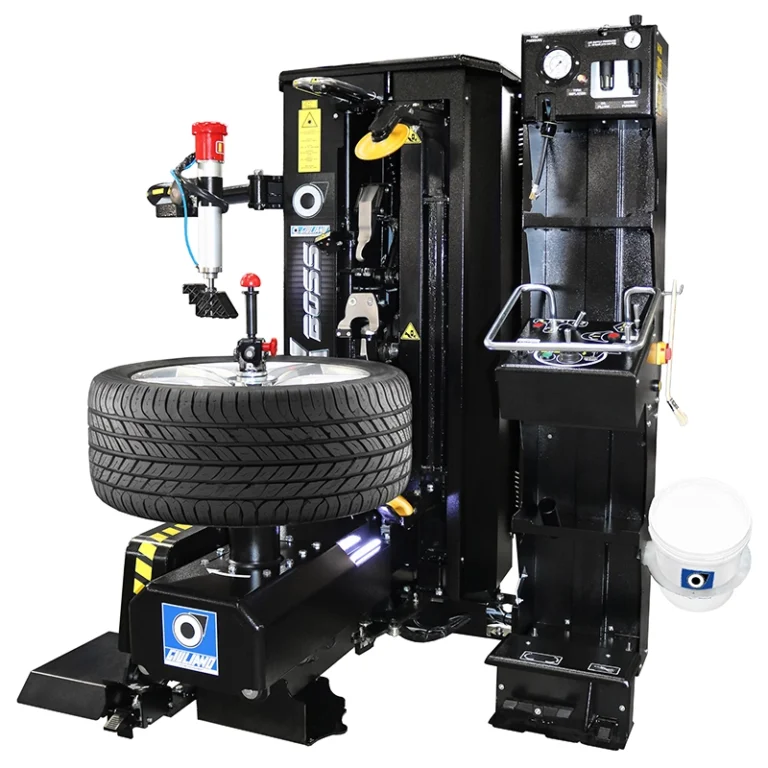
Another point of interest during PUWER assessments is the effectiveness of machine guarding and safety devices. Physical guards, emergency stops, interlocks, and warning systems are examined to ensure they function properly and cannot be easily bypassed. Assessors look for modifications or wear that might compromise safety integrity. For example, missing or broken guards are common findings that require immediate attention. The assessor will also check whether control systems are clearly labelled, accessible, and designed to prevent accidental activation.
When conducting PUWER assessments, assessors often observe machinery in operation to evaluate real-world safety practices. They may stand beside operators as they work, noting whether procedures are followed correctly, whether PPE is worn, and whether guards remain in place throughout normal operation. Observational checks are important because they reveal behavioural issues that paperwork alone cannot show. For example, a risk assessment might describe safe lifting procedures, but if operators routinely bypass these because of production pressures, it represents a real compliance gap.
A PUWER assessment also examines the procedures surrounding new equipment introductions or modifications. Employers must demonstrate how they evaluate safety before new gear enters service. This includes ensuring correct installation, testing, and user training. Assessors will verify that risk assessments are updated accordingly, showing that the business continuously reviews risks as circumstances change. Many failings discovered through PUWER assessments result from outdated risk assessments that no longer reflect current work practices.
Communication and signage are another essential theme during PUWER assessments. Clear instructions and warning signs must be visible wherever equipment poses a risk. Assessors check whether operating instructions are easily accessible, written in plain language, and understood by all workers. If language barriers exist, translated versions or visual guides should be in use. Effective communication prevents misunderstanding and reinforces safe behaviour across diverse teams.
Emergency procedures also come under scrutiny during PUWER assessments. Assessors will assess whether workers know how to stop machinery safely in an emergency, isolate power sources, or report defects. Well-documented fault-reporting procedures and prompt maintenance responses demonstrate good safety culture. If assessors find that reported faults go unresolved or that emergency stops do not function correctly, they will highlight these as areas of non-compliance requiring immediate action.
At the close of PUWER assessments, the assessor prepares a detailed report summarising findings, recommendations, and any non-conformities. This report categorises observations by risk priority, helping the business plan corrective action in order of urgency. High-priority issues might involve immediate risks requiring temporary withdrawal of equipment until repairs are made. Lower-level findings might suggest documentation improvements or periodic safety enhancements. The report serves as both a compliance record and a practical guide to continuous improvement.
After receiving the findings, businesses should act promptly. Responding effectively to the outcomes of PUWER assessments is as important as the assessment itself. Employers are expected to document their corrective actions, demonstrating accountability and ongoing commitment to safety. This might involve revising risk assessments, updating training materials, adding guards, or replacing obsolete equipment. When actions are completed, these updates should be recorded, creating a clear evidence trail for future inspections or audits.
Many employers find that PUWER assessments highlight opportunities beyond compliance. They reveal maintenance inefficiencies, training gaps, and equipment performance issues that can impact productivity. When approached as an improvement exercise rather than a bureaucratic obligation, PUWER assessments can help refine operational standards and boost workforce confidence. Workers who see that management prioritises safety are more likely to report hazards and contribute to safer working practices.
Another useful aspect of PUWER assessments is their role in promoting accountability across teams. By assigning clear responsibilities for inspection, maintenance, and operation, organisations create a structure that supports compliance. Assessors will often note whether responsibility for equipment safety lies with a specific individual or department. Shared accountability ensures that issues are addressed quickly and consistently, preventing them from becoming larger problems later.
Employers should also expect PUWER assessments to be ongoing rather than one-time events. Regulations require that assessments are repeated periodically, particularly when new equipment is introduced, modified, or relocated. Each new assessment provides a snapshot of compliance at that moment in time, but continuous monitoring ensures standards remain high. Maintaining familiarity with the process helps businesses respond confidently during future visits, reducing anxiety and disruption.
Ultimately, PUWER assessments are designed to protect people, assets, and productivity. They serve as a structured check that ensures every aspect of equipment use—from selection to maintenance and operation—is managed safely. For employers, being prepared means maintaining up-to-date records, training staff consistently, and fostering a culture where safety improvements are welcomed rather than resisted. When businesses embrace the process, PUWER assessments become a valuable opportunity for learning and growth rather than a regulatory burden.
By understanding what to expect, preparing documentation ahead of time, and keeping communication channels open between management, assessors, and operators, any business can navigate PUWER assessments effectively. The result is a safer, more compliant workplace where equipment reliability and human wellbeing coexist. Whether managing a manufacturing line, a construction site, or a small workshop, regular PUWER assessments help ensure that every piece of work equipment operates under the safest possible conditions.