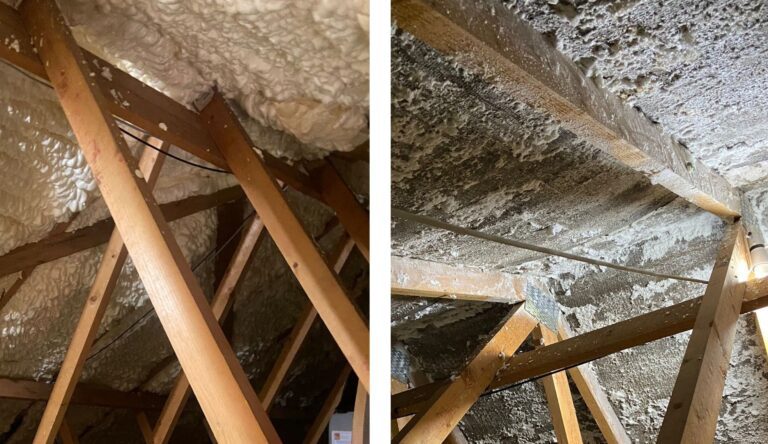






Spray foam insulation has been marketed for a long time as a modern and effective way to improve energy efficiency, cut down on drafts, and keep the temperature inside steady. But in the last few years, many homeowners in the UK have realised that the long-term problems can be worse than the short-term gains. In order to safeguard the home’s structure and value, spray foam removal has become a need for many homes. Homeowners may make better decisions about whether or not spray foam removal is appropriate for their scenario by knowing the reasons behind this growing trend.
The effect of spray foam removal on mortgage applications and real estate sales is one of the most important factors. Many lenders will not give mortgages or remortgages on homes that have had spray foam insulation added, especially on the roof. Surveyors typically tell buyers and banks that spray foam can hide deterioration to the structure or stop the roof timbers from getting enough air. Because of this, people who want to buy may back out of bids or have trouble getting financing. To make the property eligible for lending again and keep or increase its market worth, spray foam removal becomes crucial in these situations.
Poor ventilation is another important reason for the requirement for spray foam removal. Spray foam is meant to fill up gaps and keep air from leaking out, but it can also block airflow in important places, like roof voids. If there isn’t enough air flow, moisture can build up, which can cause condensation and, in the end, wood rot. If moisture becomes trapped inside the building, the situation can get worse quickly, ruining beams, rafters, and other wooden parts. By removing the spray foam, these places may breathe again, which lowers the risk of wetness and makes the roof last longer.
Spray foam removal over time can also help find structural issues that are hard to see. When foam is put on, it expands to fill every space, making a solid coating that can block your view of the roof timbers and other elements. This implies that indicators of degradation, leaks, or pest infestations may not be seen right away. Professionals can expose these regions through spray foam removal, which enables a comprehensive investigation and the fixing of any underlying problems. In certain circumstances, finding problems early on after spray foam removal can save you money on structural repairs that might have been needed later.
The possibility of trapped water inside the insulating layer itself is another reason to think about spray foam removal. Even a minor leak in the roof might let water into the foam, where it can stay hidden for a long time. This not only makes the wood more likely to rot, but it can also allow mould to grow, which can be bad for the health of the people who live there. Removing spray foam gets rid of this hidden moisture reservoir and lets the affected areas dry out and be fixed properly, making the indoor environment safer and healthier.
Spray foam removal can increase energy efficiency in the long run in addition to structural and health issues. It may sound strange, but the effectiveness of spray foam insulation can get worse with time, especially if it gets wet or starts to break loose from the surfaces it was designed to cover. When this happens, the material loses a lot of its insulating characteristics, which makes it more expensive to heat and cool and less effective at keeping heat in. Removing spray foam makes room for other types of insulation that work well without making the building less able to breathe. Modern insulation methods are often more environmentally friendly, let in more air, and have a lower danger of causing long-term harm than old or poorly fitted spray foam.
The material’s own environmental and safety effects are another factor to think about before deciding on spray foam removal. Many spray foams are manufactured with chemicals that can let volatile organic compounds (VOCs) out over time. These emissions can make the air within lofts and other closed places bad, and in some situations, they can irritate the respiratory system or cause allergies. So, getting rid of spray foam can make the home more comfortable and healthier, especially in older homes where the insulation process didn’t take sufficient ventilation into account. With the help of spray foam removal, homeowners can select safer, more eco-friendly options that keep them comfortable without posing any risks.
Another problem that frequently results in spray foam removal is its compatibility with conventional building materials. Older homes in the UK, especially those with stone or timber-framed walls, were built to let air and moisture flow naturally. Spray foam insulation can mess up this equilibrium by sealing surfaces too firmly, which keeps moisture in and stops materials from drying out as they should. Over time, this might cause the structure to deteriorate, rot, or get moist spots on the walls within. Removing spray foam helps the building breathe again, which keeps its structure strong and its character, which is what makes older homes so special.
Although it may seem like an extra cost, spray foam removal is often a good investment. Homeowners can protect the resale value of their home and avoid big repair costs in the future by getting rid of the material and fixing any problems that come up. Mortgage lenders and insurance companies typically see homes with spray foam insulation as more risky, which can cause problems or even cause policies to be denied. Finishing the spray foam removal and showing proof of the work might help these organisations feel better about the property’s structural integrity. This will make it easier to get loans and make future sales.
Spray foam removal is a delicate technique that necessitates skill and caution because it entails separating the foam from fragile surfaces without inflicting more harm. Professionals can securely remove the insulation and find and fix any problems that may be underneath, such as humidity or wood rot. Spray foam removal can be difficult without professional help since it sticks securely to surfaces and may have chemical leftovers. A qualified professional will use the right tools and methods to get a clean and thorough job done, making the property ready for new insulation or restoration work.
Another benefit of spray foam removal is that it helps the environment in the long term, in addition to selling and maintaining property. Some older kinds of spray foam insulation can’t be recycled, and they could have chemicals in them that are hard to get rid of safely. Homeowners can lower their environmental impact and make their homes more energy-efficient by taking out old appliances and replacing them with eco-friendly ones. Spray foam removal is a crucial step for people who want to make their homes compliant with current environmental regulations as a result of the trend towards sustainable building techniques.
Spray foam removal can also increase the comfort level within a building. Insulation that holds in moisture or lets out smells can make a room feel less comfortable. After they are taken down, dwellings frequently feel cleaner, dryer, and better ventilated. Also, because the structure can once again control humidity better, people living in it are less likely to have problems like musty smells or condensation on surfaces within. Not only does removing spray foam help the structure, it also makes living in it better every day.
Spray foam removal may also be required to meet insurance requirements in some circumstances. If the material is erected in a way that hides elements of the roof or structural framework, insurers may require it to be taken down before they issue or renew a policy. Homeowners can meet these requirements and ensure their property is still fully insured by finishing the spray foam removal process. This gives you peace of mind because you know that both the house and the people who live there are safe from possible financial problems caused by damage that isn’t found or materials that can’t be insured.
Finally, as people become more and more aware of the possible problems with spray foam insulation, spray foam removal is seen as a smart and responsible decision. A lot of property owners are choosing to take the foam out before problems happen instead of waiting for them to happen. This gives customers control over the health of their house, helps them avoid problems with lenders or insurers in the future, and lets them choose insulation options that work better with the UK’s climate and construction styles.
In conclusion, spray foam insulation initially seemed like a good approach to increase energy performance that was also cheap, but its unforeseen effects have made people think twice about it. Removing spray foam can fix problems with ventilation, moisture, and property value, and it can also make way for safer, more environmentally friendly insulation solutions. Spray foam removal is frequently the most practical and advantageous choice for homeowners who want to protect their investment, keep their home’s structural integrity intact, and have peace of mind.