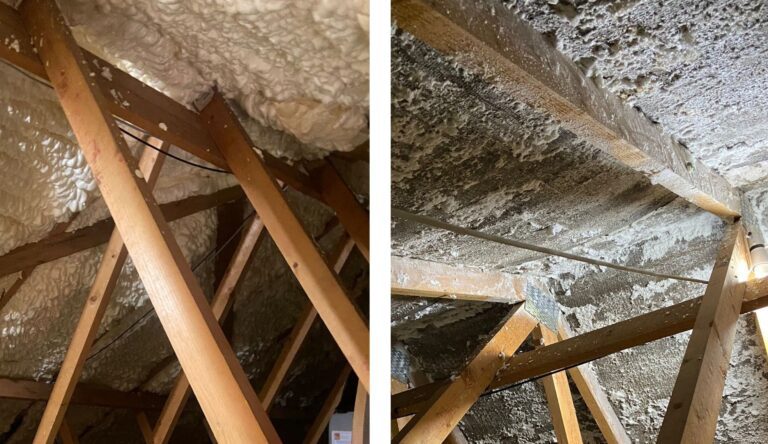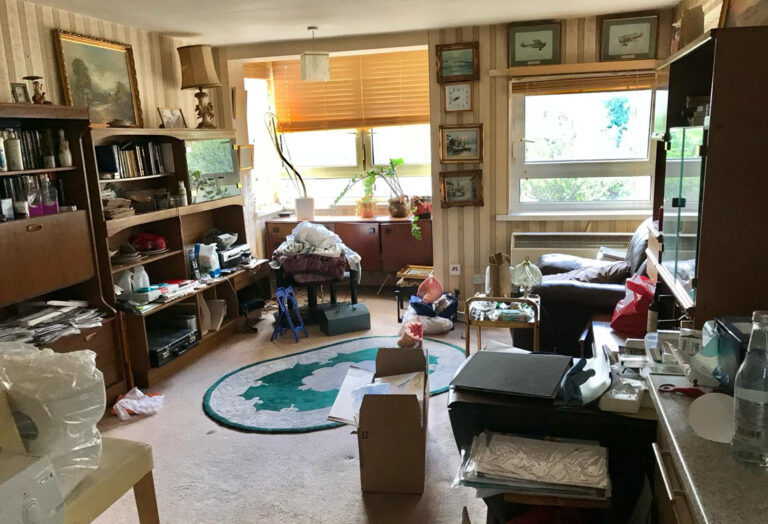





When tenants face issues of disrepair in their homes, the experience can be both distressing and destabilising. Leaking roofs, faulty heating, mould growth, or structural damage are not merely inconveniences — they can seriously affect a person’s health, safety, and well-being. Unfortunately, despite the legal obligations placed upon landlords, many fail to take adequate action when tenants raise concerns. It is in these moments that housing disrepair solicitors become indispensable, providing the expertise, representation, and persistence needed to ensure landlords are held accountable and tenants’ rights are fully protected.
The role of housing disrepair solicitors extends far beyond simply filing legal paperwork. These professionals understand the intricate balance of housing law, tenant rights, and landlord responsibilities that govern rented properties in the UK. When a landlord ignores formal complaints about disrepair, a tenant’s ability to live in a safe and habitable home is compromised. Housing disrepair solicitors guide tenants through the legal avenues available to them, ensuring they are not silenced or pressured into tolerating unfit living conditions.
Many tenants initially try to resolve disrepair issues through informal communication. A polite email, a written complaint, or a conversation with the landlord or letting agent might seem like enough. However, when those complaints are repeatedly ignored, frustration and anxiety often follow. At this point, housing disrepair solicitors play a crucial role in shifting the balance of power. Their involvement signals to the landlord that the matter has escalated from a routine maintenance request to a legal issue with potential consequences. It is often only after receiving a formal letter from a solicitor that some landlords begin to act, highlighting the importance of professional legal intervention.
The significance of housing disrepair solicitors lies in their ability to interpret and apply legislation effectively. Under the Landlord and Tenant Act 1985 and subsequent updates, landlords are required to keep their properties in good repair, ensuring the structure, exterior, and essential installations are safe and functional. Yet, without expert legal representation, tenants may struggle to prove that these obligations have been breached. Solicitors specialising in this field collect evidence, commission expert reports, and document the extent of the damage and its impact on the tenant’s daily life. This careful preparation often forms the backbone of a successful claim or legal negotiation.
It is important to recognise that tenants without representation are often at a disadvantage. Many are unaware of their rights or feel intimidated by the legal process. Housing disrepair solicitors provide reassurance and guidance, helping tenants understand the process step-by-step. They also ensure that landlords cannot exploit tenants’ lack of legal knowledge. By intervening early, these solicitors often secure not only repairs but also financial compensation for the distress, inconvenience, and health issues caused by prolonged disrepair.
For tenants living in social housing, the problem can be particularly acute. Local authorities and housing associations, though publicly accountable, sometimes operate slowly or inconsistently when it comes to maintenance. Tenants in such situations may wait months—or even years—for essential repairs. Housing disrepair solicitors specialising in social housing cases ensure that these larger bodies are held to the same legal standards as private landlords. They pursue action when formal complaints and escalation through internal procedures fail to yield results. Their intervention ensures that public housing providers are reminded of their legal duties and that tenants are treated with the dignity and respect they deserve.
The importance of evidence cannot be overstated in housing disrepair claims. Photographs of damage, correspondence with the landlord, and medical records demonstrating health impacts can all support a tenant’s case. Housing disrepair solicitors know precisely what evidence is most persuasive and how to present it effectively in legal proceedings. They also ensure that all procedural requirements are met, such as pre-action protocols and time limits. Without this expert guidance, tenants risk having their claims dismissed on technical grounds, even if the disrepair is severe.
Moreover, housing disrepair solicitors play an essential role in levelling the playing field. Landlords, particularly corporate or institutional ones, often have access to in-house legal teams or professional agents. A tenant representing themselves is unlikely to have the same resources or knowledge. By instructing a solicitor who specialises in housing disrepair, tenants gain access to legal expertise that matches, and often surpasses, that of the landlord’s representatives. This professional parity encourages fair outcomes and deters landlords from using legal intimidation or delay tactics.
Health and safety are at the heart of housing disrepair issues. Mould and dampness can trigger respiratory problems; electrical faults can pose fire hazards; and leaks or structural damage can make a property unsafe. When landlords neglect repairs, the consequences are not merely financial but potentially life-threatening. Housing disrepair solicitors recognise this intersection between housing quality and public health. They often work alongside medical experts to demonstrate how disrepair has impacted a tenant’s well-being. This holistic approach strengthens the case and underscores the urgency of securing repairs and compensation.
Compensation is not merely about money—it represents justice for the hardship endured. When tenants live for months in conditions unfit for habitation, they may experience stress, sleep disturbance, and even illness. Housing disrepair solicitors ensure that compensation accurately reflects both the physical and emotional impact of the landlord’s neglect. They also calculate financial losses, such as damaged belongings or increased utility costs caused by faulty heating or leaks. In this way, solicitors ensure tenants receive fair redress for all aspects of their suffering.
In some cases, legal representation is the only way to prompt meaningful change. Landlords who consistently ignore repair requests may only respond when faced with formal legal action. Housing disrepair solicitors possess the authority to issue court proceedings if necessary, ensuring that the matter cannot be brushed aside indefinitely. Their familiarity with the court system and their ability to argue effectively on a tenant’s behalf can make the difference between ongoing neglect and decisive resolution. Even before a case reaches court, the mere involvement of a solicitor can lead to faster repairs and settlements.
Access to justice is another key issue. Many tenants fear that pursuing legal action will be expensive or complicated. However, housing disrepair solicitors often operate under conditional fee agreements, commonly known as “no win, no fee” arrangements. This means that tenants can pursue their claims without the financial risk traditionally associated with legal proceedings. Such arrangements open the door to justice for those who might otherwise feel powerless. They reinforce the principle that everyone, regardless of income, deserves to live in a safe and properly maintained home.
The importance of housing disrepair solicitors also extends to the prevention of future neglect. When landlords are held accountable through legal channels, they are less likely to repeat their mistakes. The deterrent effect of successful legal claims encourages better standards across the housing sector. Tenants benefit not only individually but collectively, as landlords realise that failure to uphold their legal responsibilities can have serious consequences. This helps to raise overall housing quality and promotes fairness within the rental market.
Furthermore, the guidance offered by housing disrepair solicitors empowers tenants to become more informed and assertive in protecting their rights. Understanding that legal recourse is available changes the power dynamics between tenants and landlords. It encourages tenants to report issues promptly and with confidence, knowing they are protected by law. Solicitors also educate clients about ongoing responsibilities, such as granting access for repairs and maintaining good communication, ensuring that future disputes are minimised.
Ultimately, the involvement of housing disrepair solicitors is about restoring balance, dignity, and safety. A home is not just a place to sleep—it is the foundation of a person’s stability and health. When that foundation is compromised through neglect or indifference, legal representation provides the necessary framework for redress. Solicitors in this field act as advocates for fairness, ensuring that landlords fulfil their legal obligations and that tenants’ voices are heard loud and clear.
In the broader context of housing justice, housing disrepair solicitors contribute to a more equitable society. By enforcing standards and upholding tenants’ rights, they help to ensure that the law functions as it was intended—to protect those who are most vulnerable to exploitation or neglect. Their work ensures that tenants are not left to suffer in silence and that every landlord understands the consequences of failing to maintain safe, habitable properties.
In conclusion, when tenant complaints of disrepair are ignored, the importance of legal representation cannot be overstated. Housing disrepair solicitors play an essential role in holding landlords to account, securing vital repairs, and ensuring fair compensation for those affected. They bring expertise, authority, and compassion to situations where tenants might otherwise feel powerless. Through their intervention, homes are restored, health is protected, and justice is served. The right to live in a safe, well-maintained property is fundamental—and with the support of skilled housing disrepair solicitors, that right can be firmly upheld.